- Date
- 15 OCTOBER 2026
- Author
- MIRA WANDERLUST
- Image by
- PRESS OFFICE
- Categories
- Fashion
MODALISBOA PRIORITY presented by OMODA & JAECOO making room for HOPE
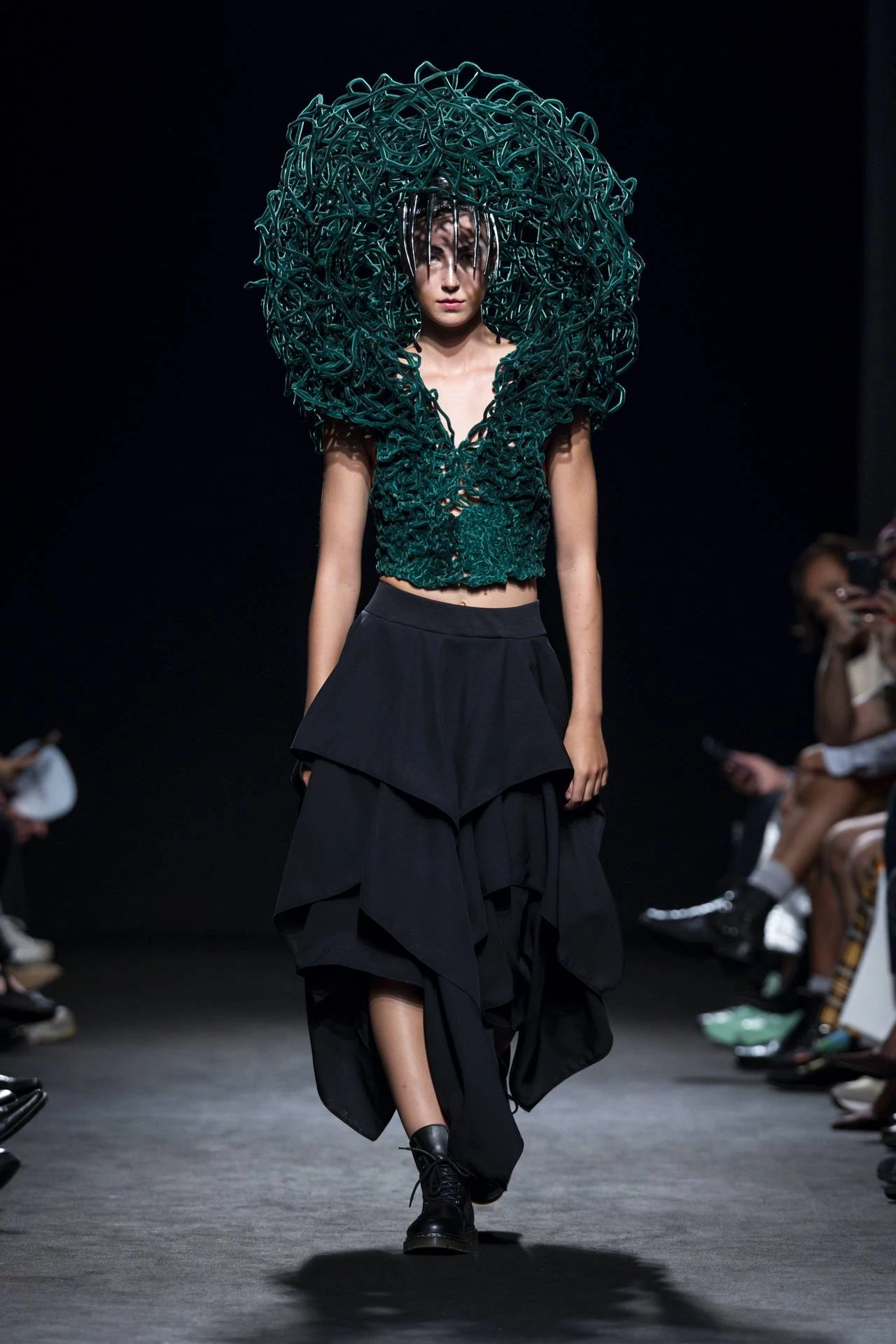
At the 67th edition of Lisboa Fashion Week, fashion felt like a living part of Lisbon’s cultural scene as many shows took place at MUDE – Museum of Design this edition. MODALISBOA PRIORITY presented by OMODA & JAECOO brought designers, audiences and the city together across museums, historic sites and public spaces—creating a programme made by creativity, craft and the possibility of what comes next.
What stayed with us most was a feeling of hope, the sense that fashion can still make room for new voices, thoughtful ideas and a more innovative future. Through SANGUE NOVO, ten emerging designers brought fresh perspectives to the runway, while established names and collaborative projects showed the breadth of contemporary Portuguese fashion. The mix felt especially meaningful—a meeting of experience and possibility, where the next generation could begin to find its place.
We also loved seeing MUDE – Museum of Design give more space to fashion shows. Presenting collections within a design museum creates a natural connection between clothing, craft and culture, giving fashion the recognition it deserves as a creative discipline. The museum setting offered a different way to experience the shows: not just as runway moments, but as part of a wider conversation about design and the city. That connection extended beyond the venues. From the museum to Rua Augusta, fashion stepped into the everyday life of Lisbon, inviting the public to experience it in new ways. Talks, workshops and exhibitions added substance to the spectacle, opening conversations about social impact, creative identity and the realities of building a fashion business. Lisboa Fashion Week made a compelling case for a fashion culture that values both ambition and patience—one that supports emerging talent, makes space for meaningful work and brings design closer to the public. In Lisbon, that future feels like it is already beginning to happen, and there is room for hope to grow.
Across the collections, one theme kept returning: how we become ourselves. Designers looked to childhood, family, place and tradition—not to recreate the past exactly, but to discover what it can still teach us. The result was a fashion week that felt both reflective and full of possibility. More than anything, we left with a sense of hope: new voices are being welcomed, fashion is finding greater space in Lisbon, and the future feels open.
BÉHEN’s From This Water I’ll Not Drink takes its name from a Portuguese proverb about how certainty shifts over time. Inspired by Nazaré’s history as both a fishing community and seaside destination, the collection brings tailoring and officewear into conversation with traditional techniques, folklore and materials connected to everyday work. Made with cotton, wool, antique and repurposed textiles, it reflects on the shoreline as a meeting place for labour and leisure, protection and exposure, permanence and change.
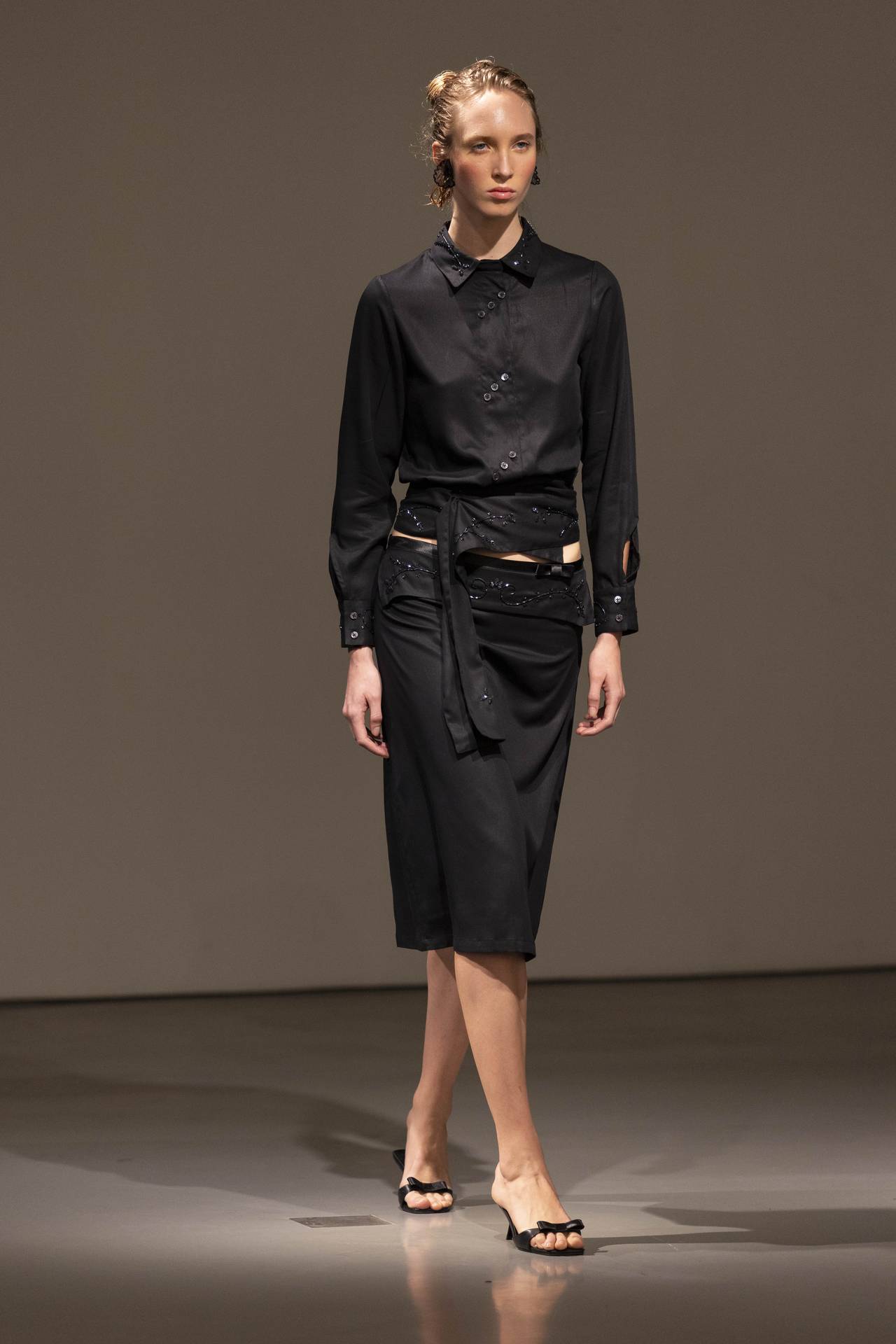
Art and fashion meet in AD HOC, a collaboration between French artist Marie Hazard and Portuguese designer Constança Entrudo, presented at MUDE – Design Museum. Friends since studying Textile Design at Central Saint Martins, they share an interest in weaving, craft and technology. Hazard combines textile, image and language; Entrudo is known for her recycled-yarn “(un)woven” technique. Their work spans Paris, Lisbon and manufacturing partners in Northern Portugal, bringing together different practices while questioning the boundaries between art and fashion.
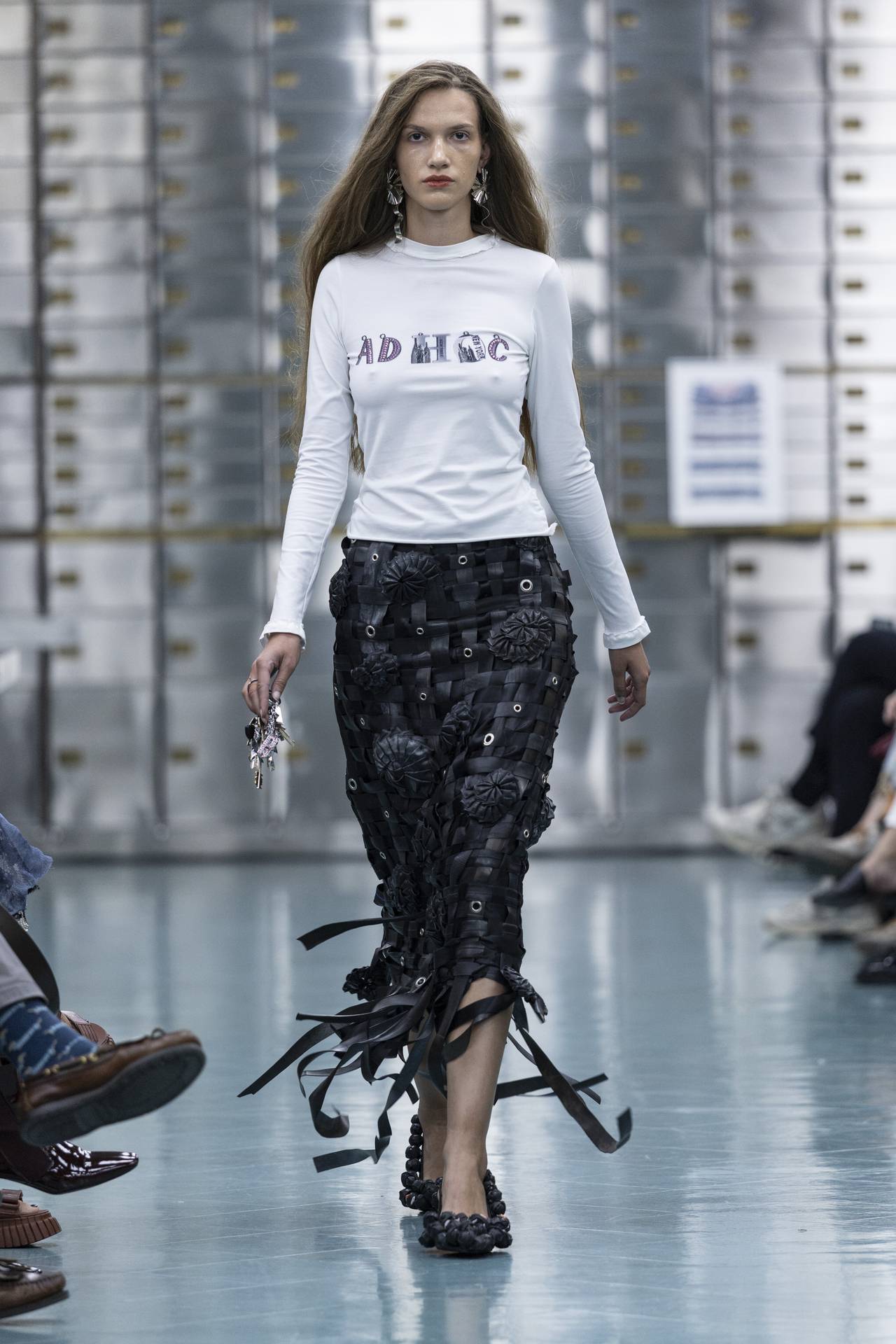
In Aloof, Çal Pfungst gives form to distance and uncertainty. Like a thread that pulls away from the skin and returns, the collection moves through images of wind, illusion and disappearance—capturing the strange feeling of being suspended between letting go and holding on.
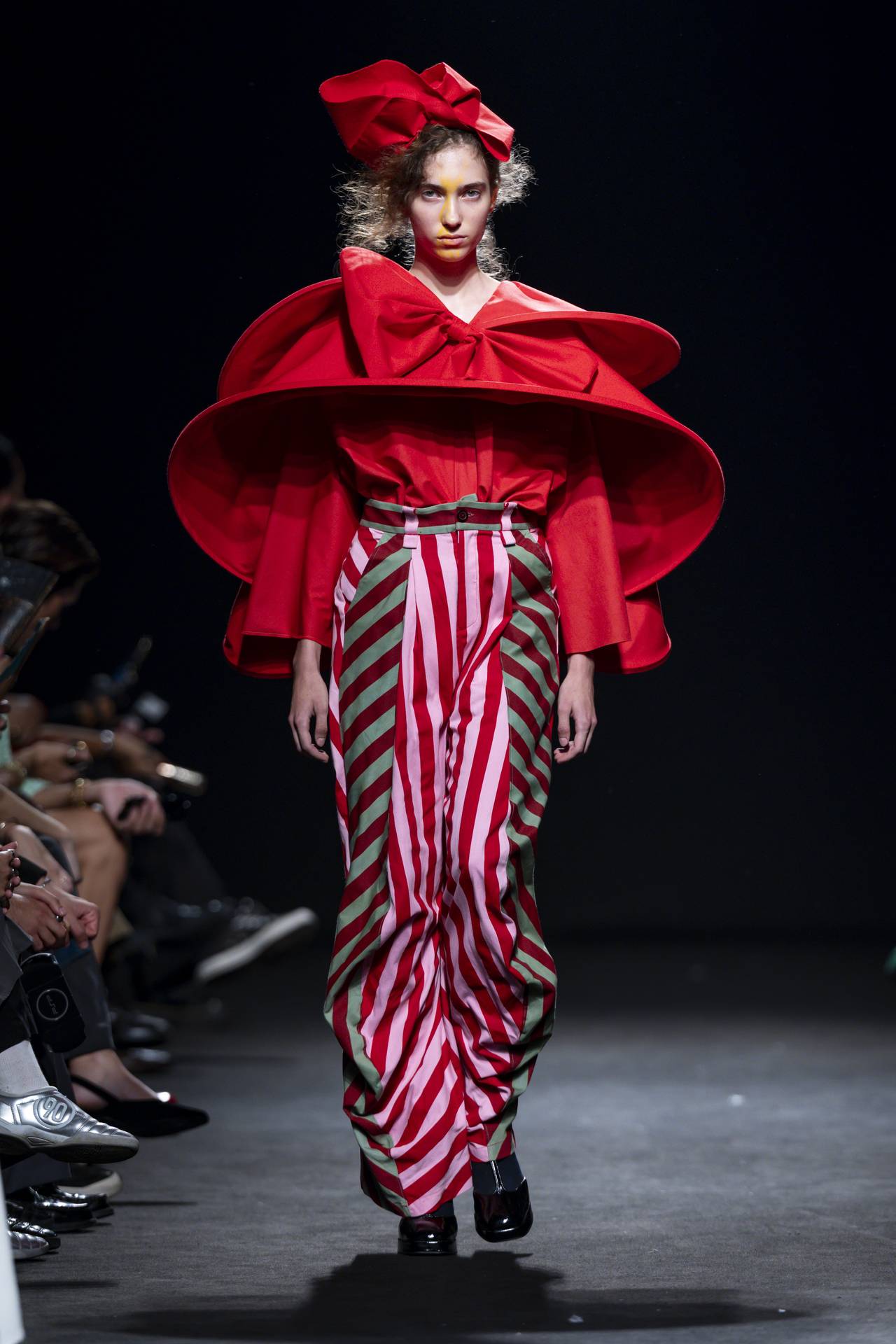
Bárbara Atanásio’s Son of a Mother celebrates the freedom to exist beyond labels. Its central figure moves between expectations of masculinity and femininity, refusing to choose a single definition of himself. In a world that insists on categories, contradiction becomes resistance—and being oneself becomes enough.
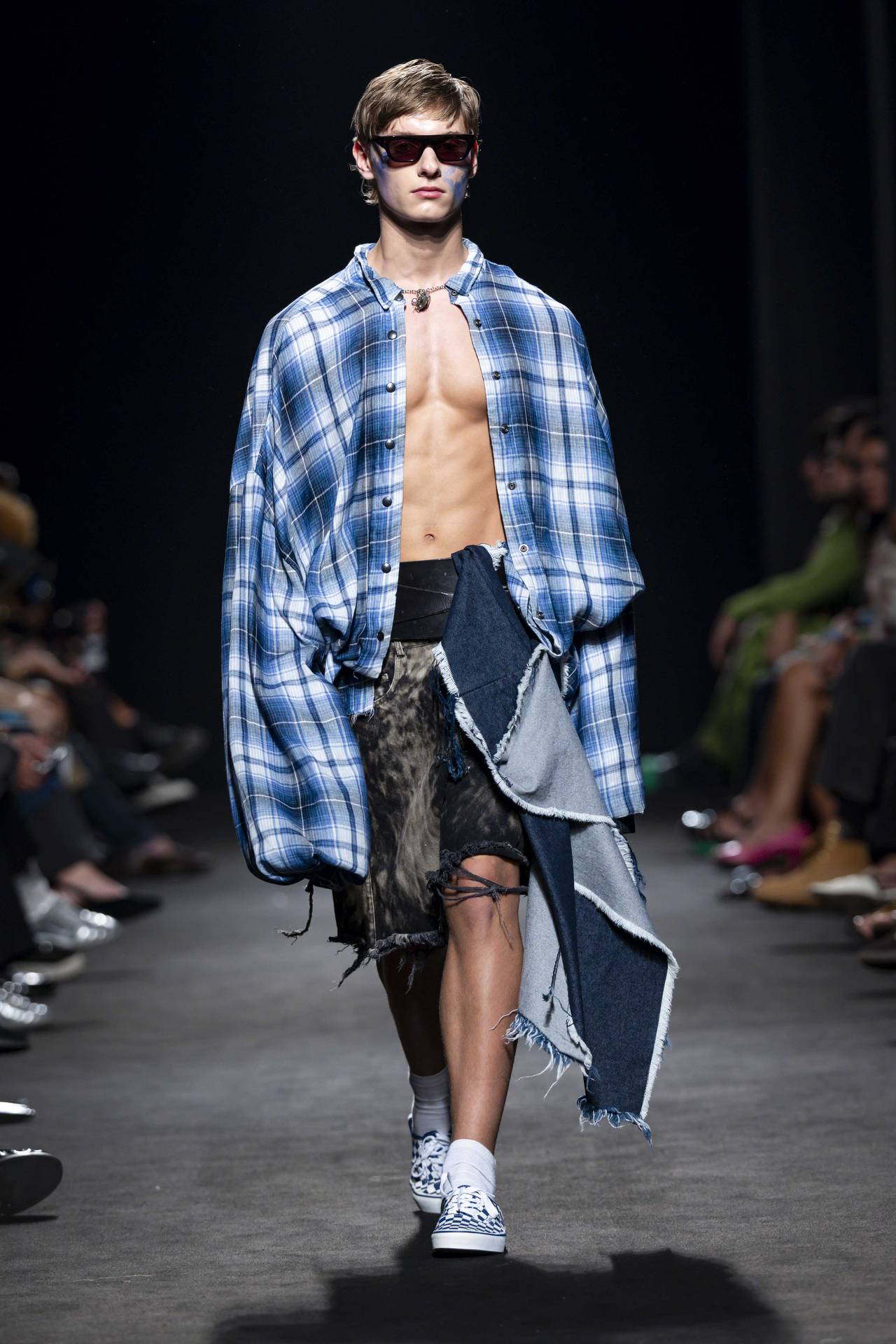
With Common Place, KOLOVRAT looks to cultural memory as a source of reconnection. Torn and rebuilt fabrics, braided details, hand embellishment, fluid chiffons and textured jacquards turn garments into living artefacts. Earthy colours, deep violet, gold and layered prints evoke belonging, shared rituals and the histories carried through craft.
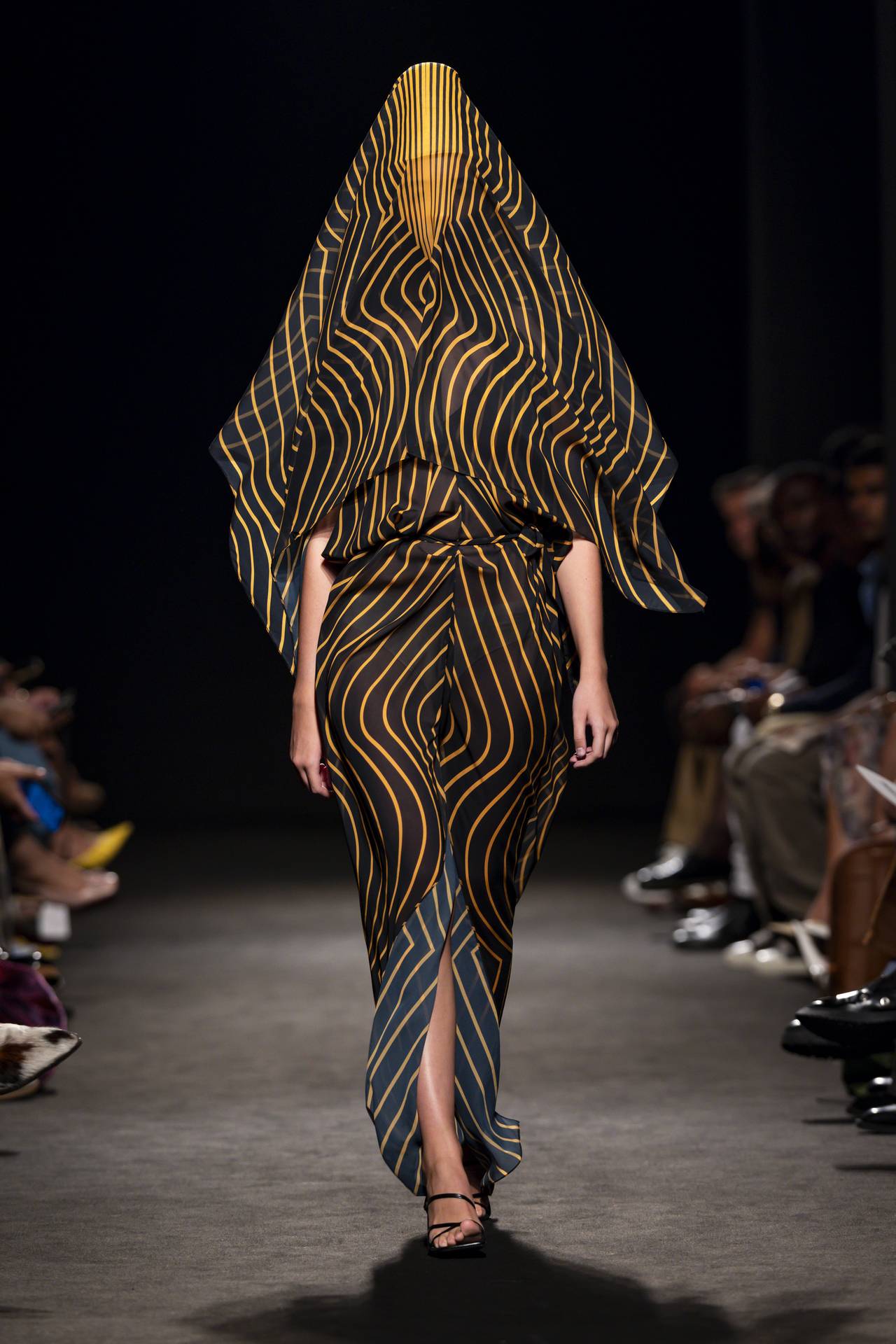
Luís Carvalho’s Wildflower returns to an imagined childhood spent outdoors, among fields, wind and natural light. Rather than recreate childhood literally, the collection seeks its feeling of freedom and discovery. Floral references unfold through light layers, organic volumes and relaxed tailoring, in a palette of neutrals, grass green, salmon and sky blue.
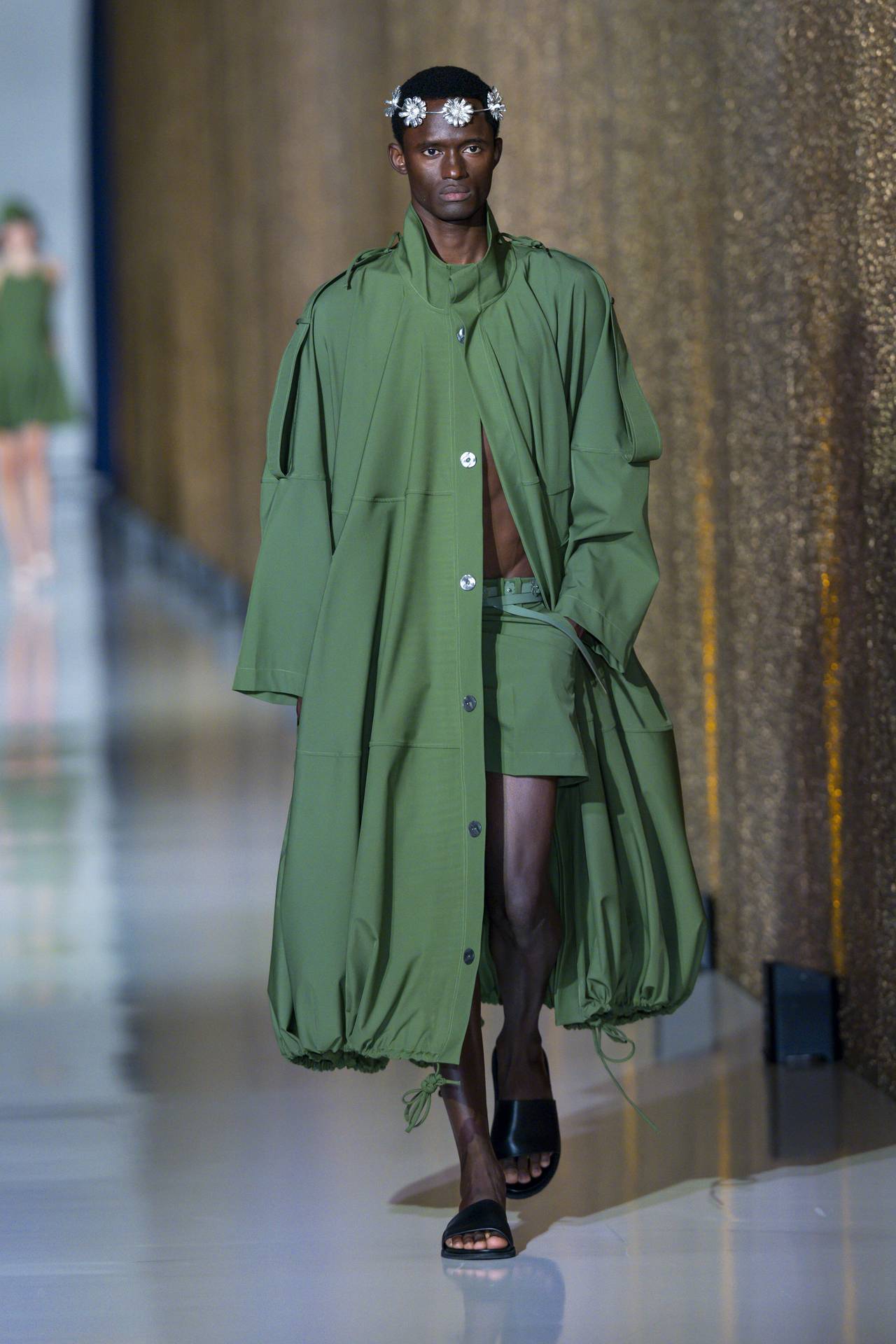
In Sonhos de Menino (Boyhood Dreams) by MESTRE STUDIO, childhood is remembered through the figure of a grandmother and the home where a boy began to dream about his future. Their contrasting wardrobes—her black clothes and woollen shawl, his striped sweaters and bright, worn-in garments—are deconstructed and brought together. The
collection honours their bond and preserves the memories that shaped it.
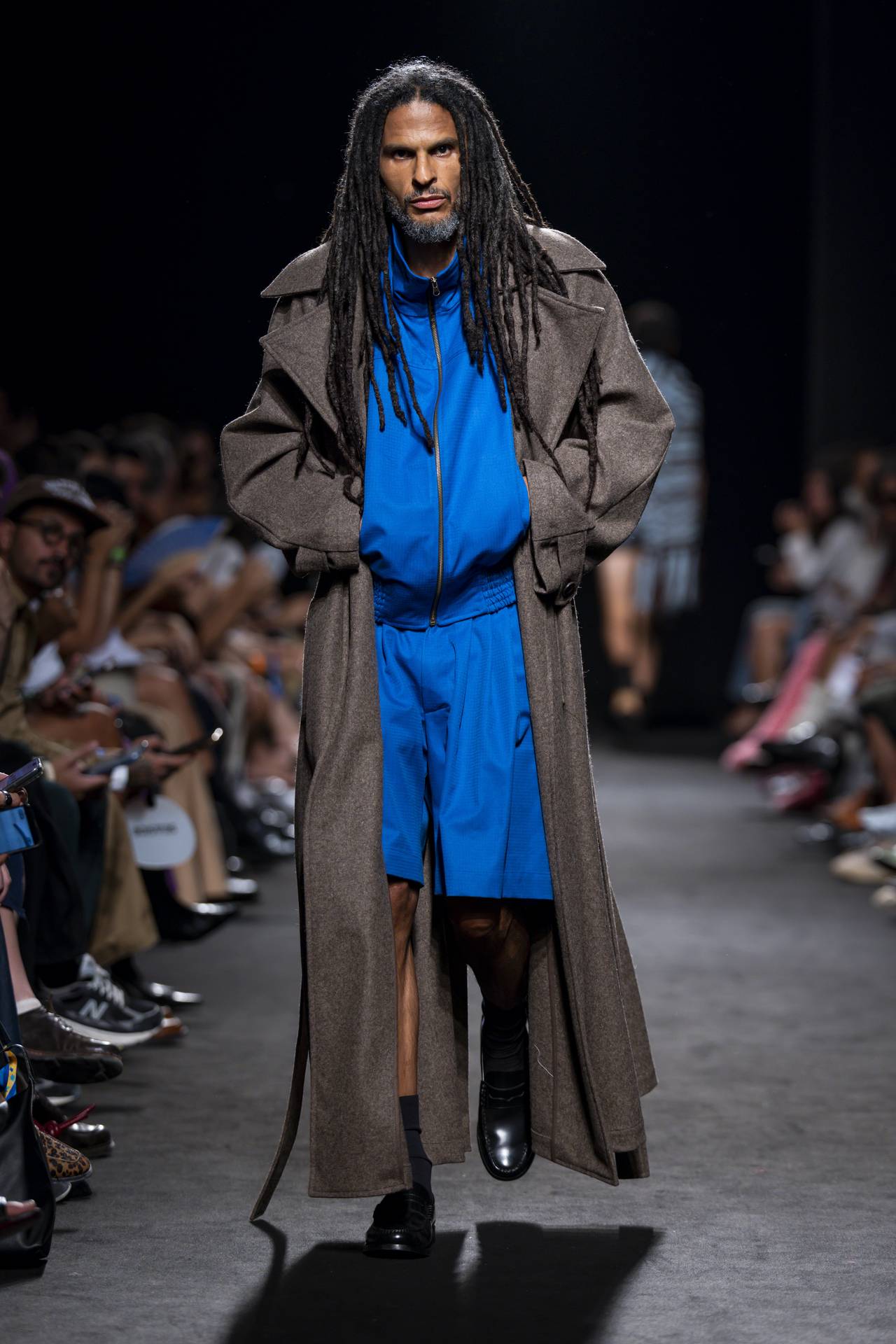
Questions of identity also drive Distopia by Valentim Quaresma that imagines a world where individuality is replaced by uniformity, making dress an act of resistance. ARNDES’s Irreal Social.examines how people perform versions of themselves to gain acceptance, asking what happens when an ideal image is mistaken for reality. 2B offers another perspective: its Neo-Romantic approach embraces emotion, mystery and individuality, turning softness and sensitivity into strength.
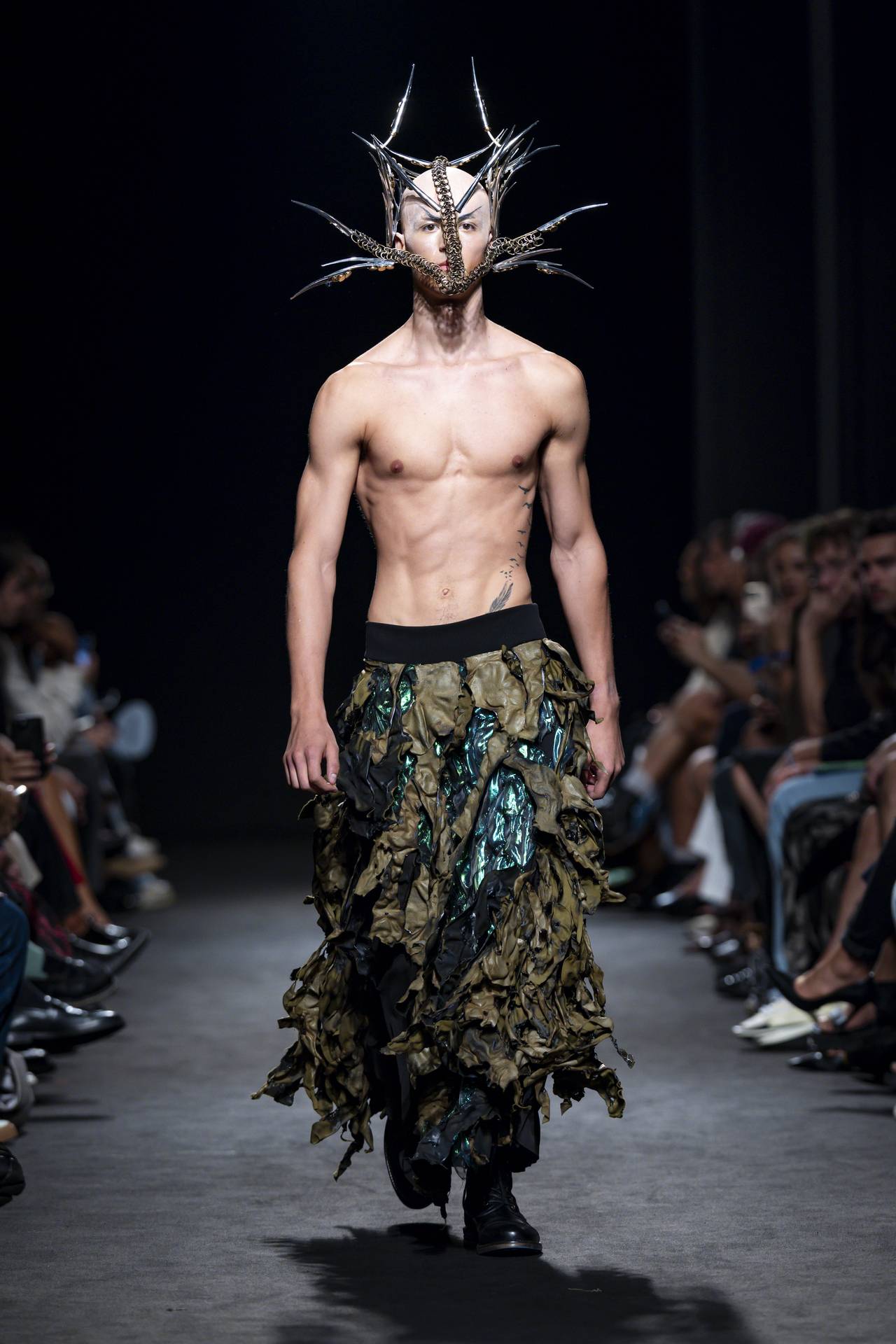
In Mui Snob e Sempre Desleal, Ariana Orrico explores the intimacy between a person and Lisbon, a city as contradictory as its inhabitants. Burel wool, cotton jersey and references to pyjamas, robes and loungewear bring the comfort of home into the streets, blurring the line between private and public life.
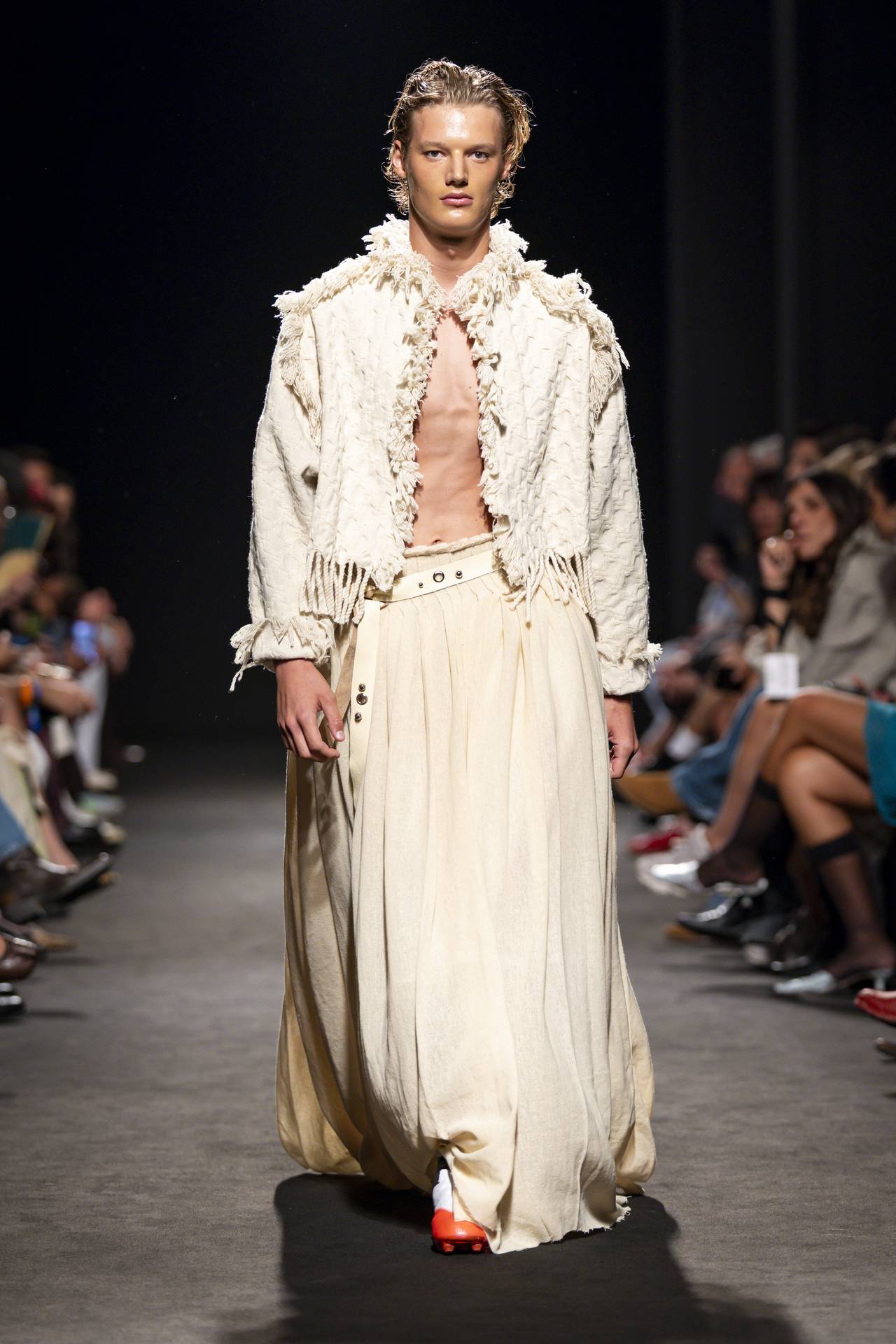
In Point sur Point by Francisca Nabinho, the image emerges through the patient accumulation of small details. Inspired by pointillism—and especially Georges Seurat’s A Bathing Place, Asnières and A Sunday on La Grande Jatte—the collection explores how repeated marks can form a larger picture. Waterside scenes, boats and their reflections are reimagined through drawings built from points and gestures. That same process shapes the garments: hand-applied flowers slowly transform the fabric, while trompe-l’œil details—ruffles, bows, pleats and jewellery—create the illusion of volume. Moving between what is drawn and what is constructed, the collection celebrates time, repetition and the beauty of making, layer by layer.
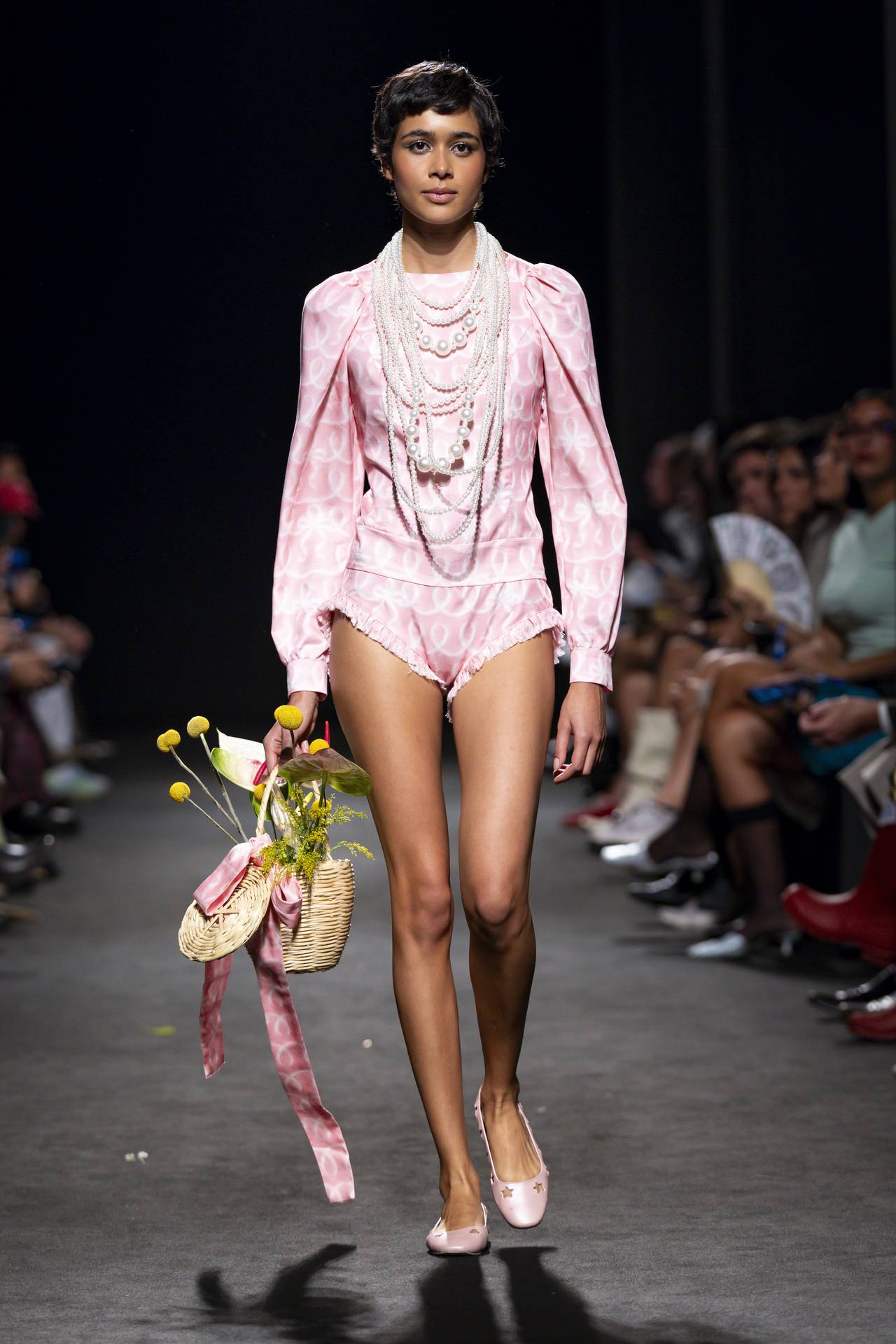
Together, these collections showed fashion can be a way to remember, question and imagine. Lisboa Fashion Week made space for emerging talent, thoughtful craft and ideas that reach beyond the runway. We’ll continue sharing our favourite collections from the week—but this edition already left us with something lasting: the feeling that, in Lisbon, there is room for fashion to grow, and room for hope to grow with it.