- Date
- 23 MAY 2026
- Author
- DANIEL FACE
- Image by
- PRESS OFFICE
- Categories
- News
How These Designers Define Their Collections Showcased in Venice at VBRA 2026
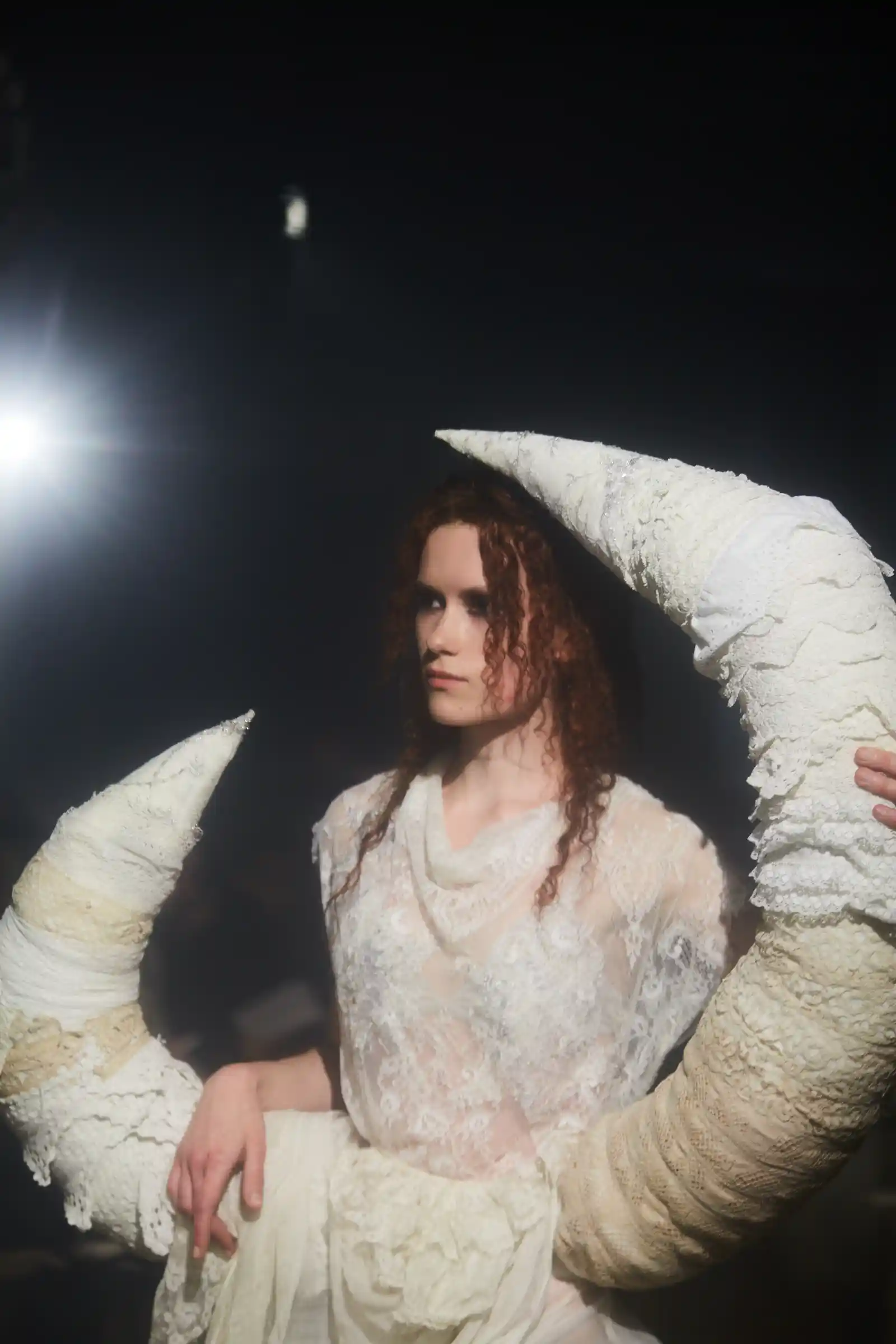
Inside VBRA Venezia 2026, fashion moved beyond clothing and into something closer to language, memory, ritual, and resistance. Across the layered interiors of Fondazione Donà dalle Rose, a new generation of designers presented collections shaped by personal mythology, political tension, emotional fragility, and radical material experimentation.
Part of The New Creative Voice, this year’s edition of VBRA Venezia transformed the city into an evolving dialogue between emerging fashion and contemporary culture. What unfolded wasn’t simply a showcase of garments, but a series of worlds: intimate, cinematic, dystopian, vulnerable, and deeply self-defined.
Rather than following a single aesthetic direction, the collections shared something more significant: clarity of voice. Each designer approached fashion as a form of narrative architecture, constructing identities through tailoring, surface, symbolism, and emotional memory.
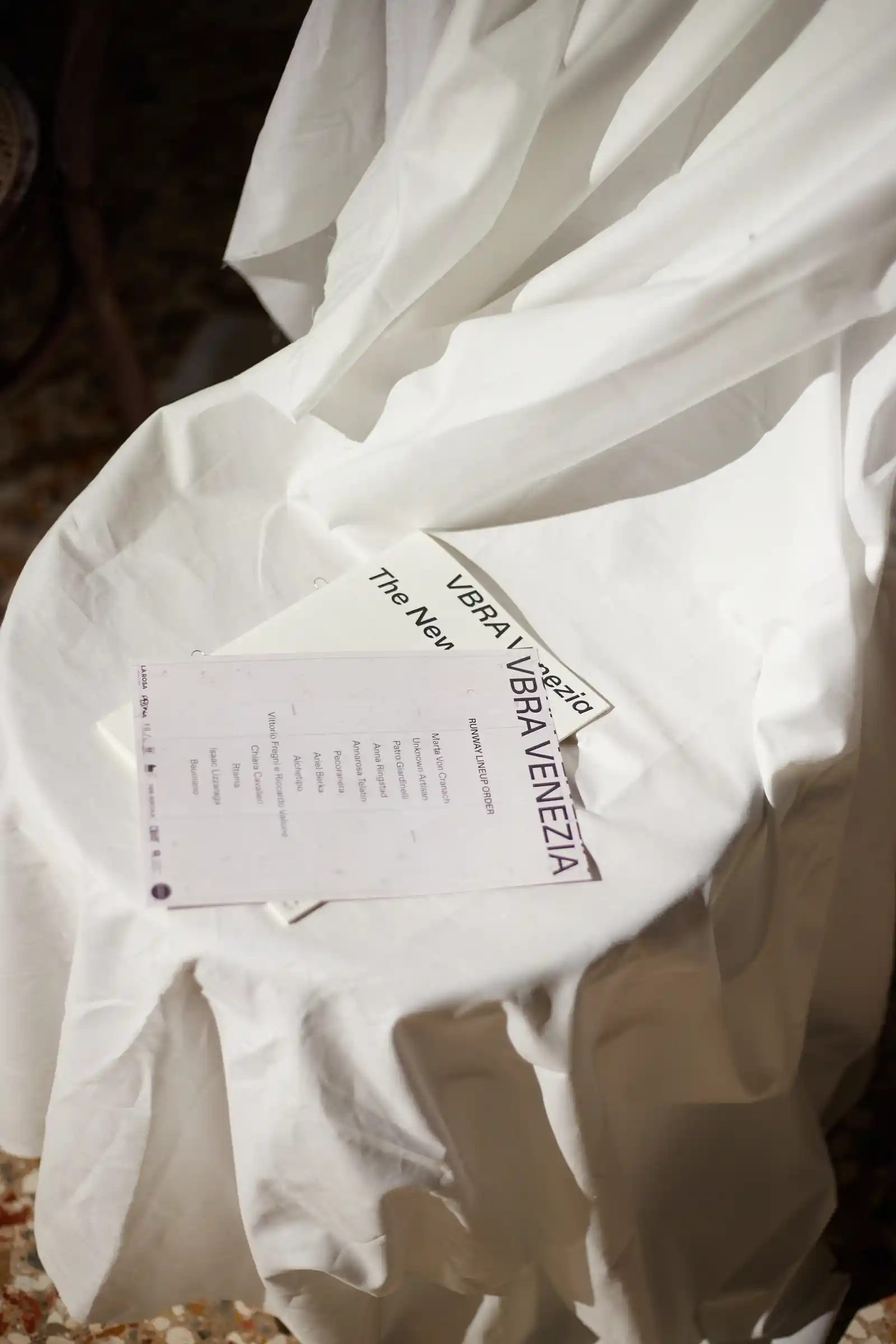
ISAAC CURIEL
“My collection captures the feeling of sitting in a theatre seat and being transported into another world, an escape from the mundanity of everyday life.”
For Isaac Curiel, fashion functions as total immersion. Drawing from the emotional language of theatre, his collection channels escapism through atmosphere, performance, and fantasy. The work embraces fashion’s ability to suspend reality, inviting the viewer into a temporary space where emotion overrides routine.
MARTA VON CRANACH
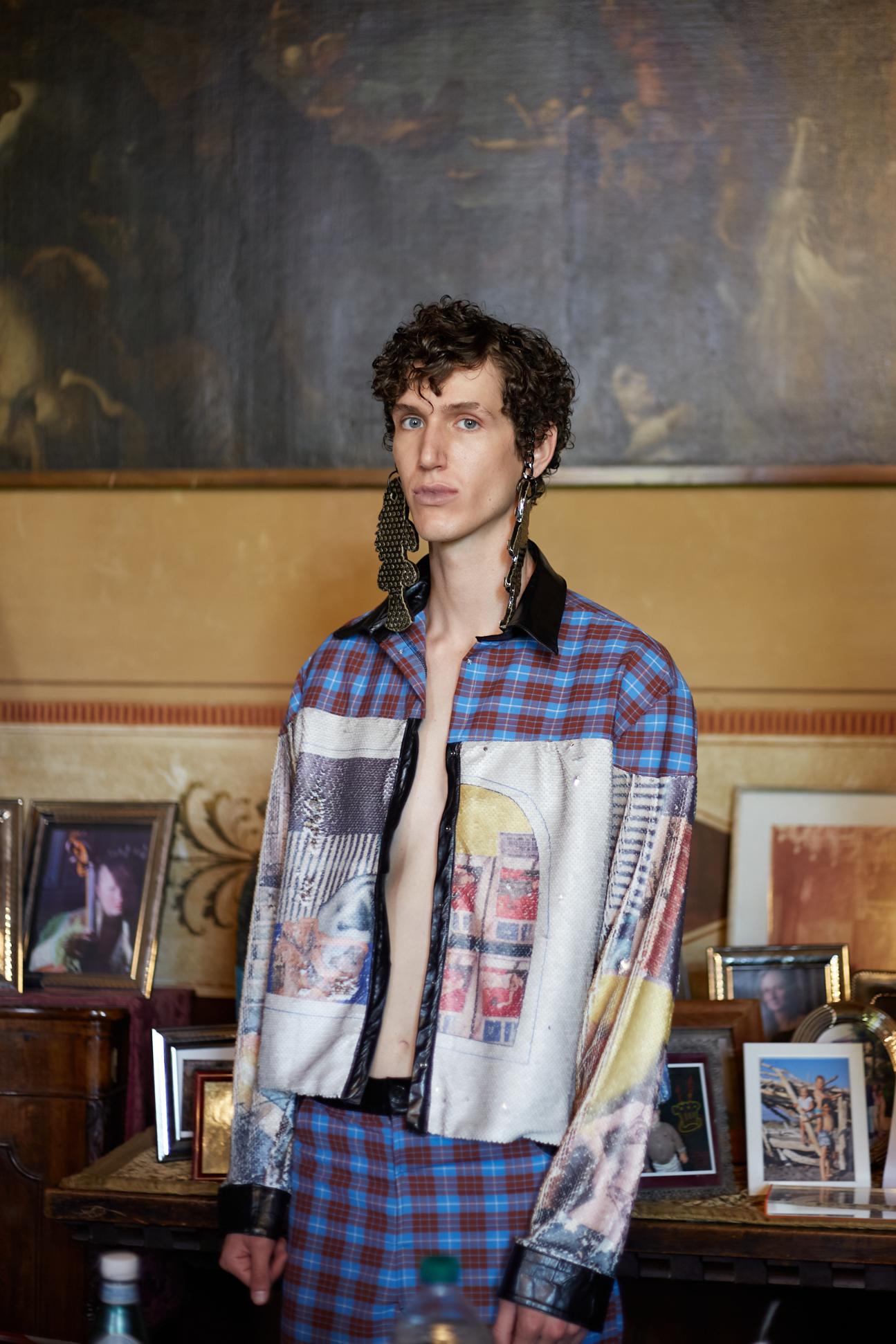
Marta von Cranach presents a capsule collection inspired by the Venetian legend of Orio and Melusina, combining printed paillettes, leather, ceramic objects, and elevated wooden footwear referencing historic Venetian chopines.
Few collections felt as deeply connected to Venice itself. Marta von Cranach reinterprets local mythology through sculptural garments and wearable ceramic elements, balancing folklore with contemporary craft. The elevated silhouettes evoke both fragility and ritual, while the reference to chopines roots the collection in the city’s historic relationship with performance, femininity, and survival against water.
PATRO GIARDINELLI — Sostanza Vergine: The 1920s of the 21st Century
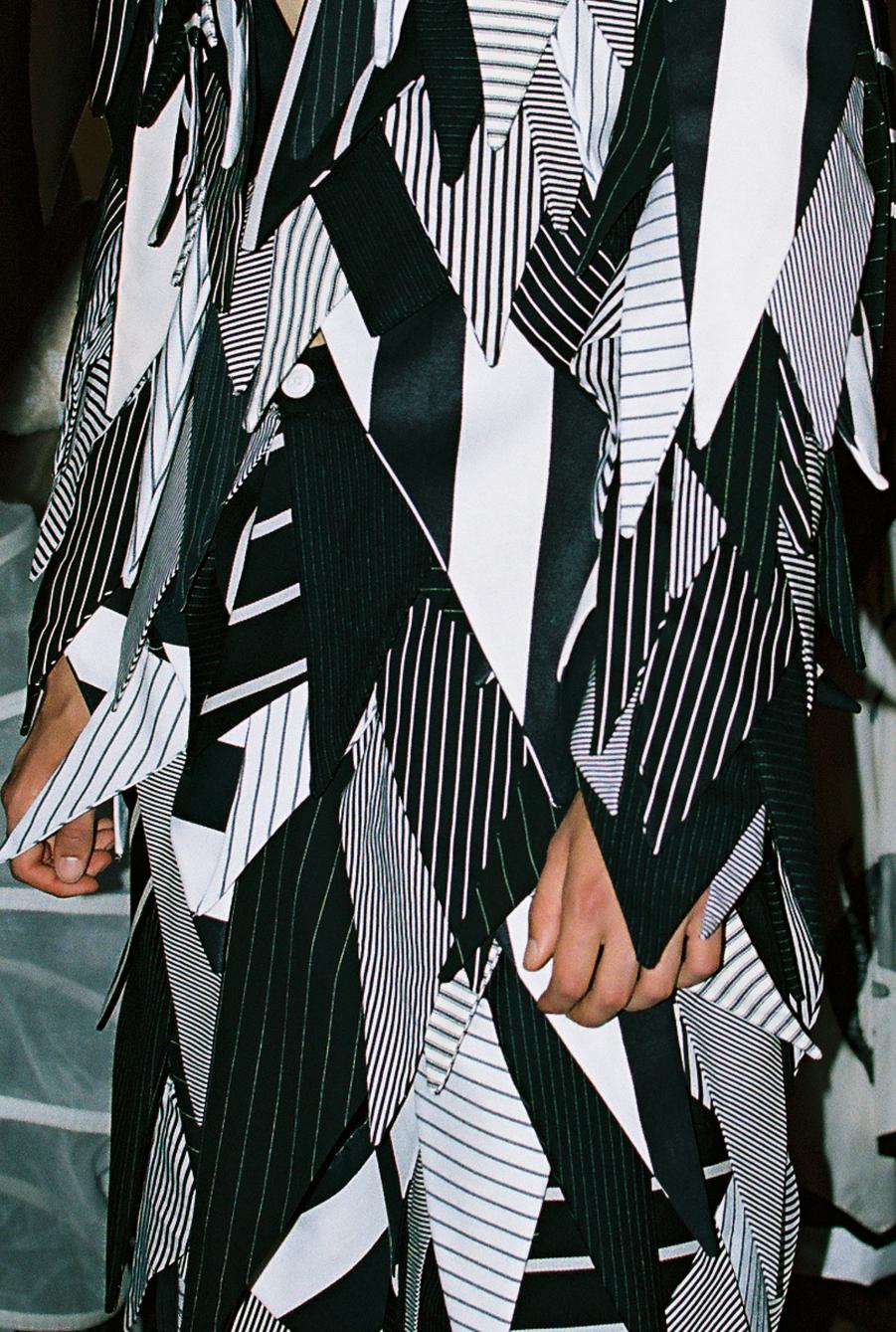
“Sostanza Vergine” investigates the tension between control and release through the uniform understood as a system of design.
Patro Giardinelli’s collection unfolds within a monochromatic world where discipline and fluidity continuously confront one another. Referencing both paratrooper uniforms and 1920s flapper silhouettes, the work reduces garments to essential structures while preserving movement and emotional instability. The result feels simultaneously militaristic and vulnerable, a study in restraint that still leaves room for hope.
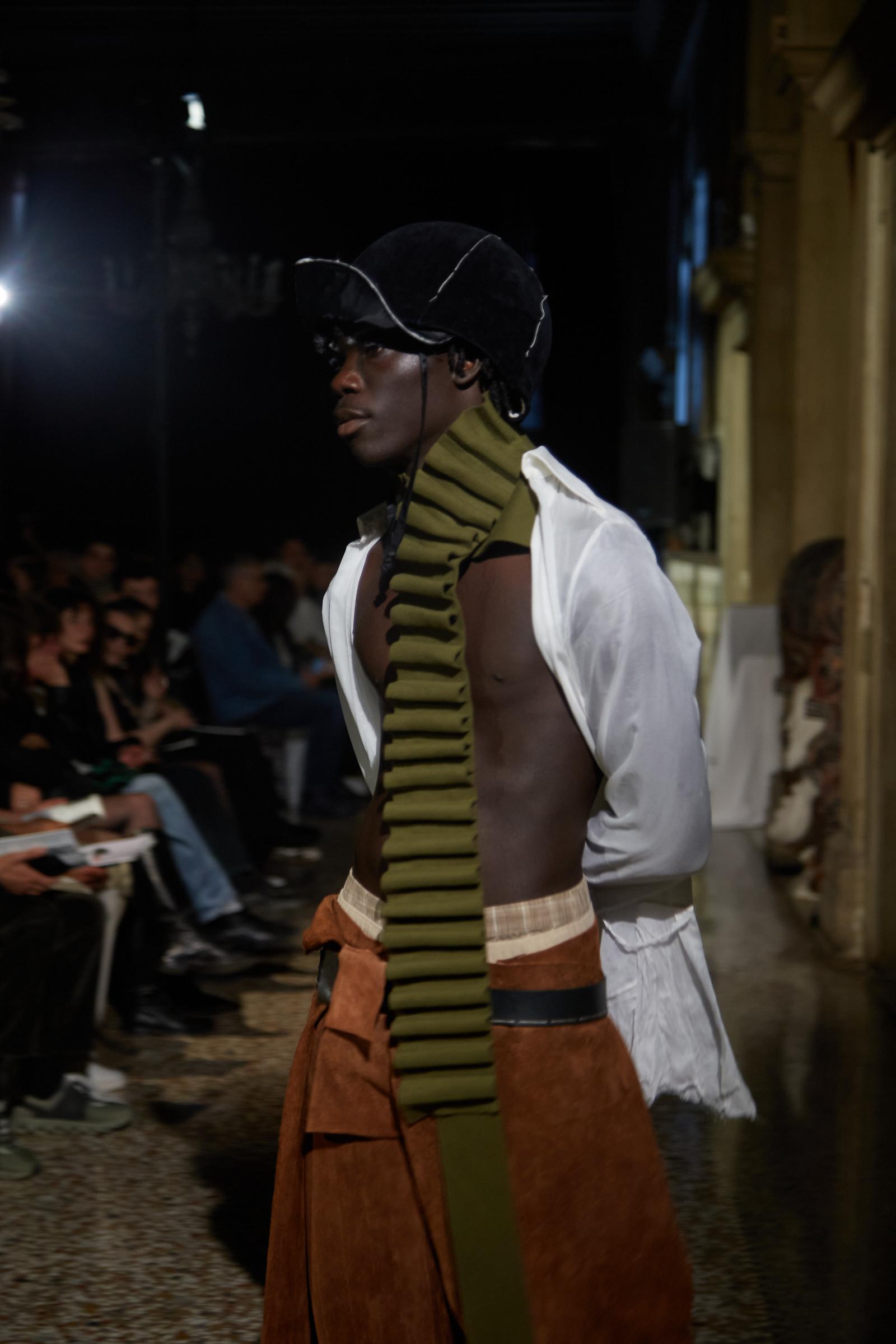
UNKNOWN ARTISAN
“By women, For women.”
Minimal in words but direct in intent, Unknown Artisan frames the collection through collective female experience. Rather than relying on spectacle, the statement itself becomes the concept: fashion created through solidarity, intimacy, and shared understanding.
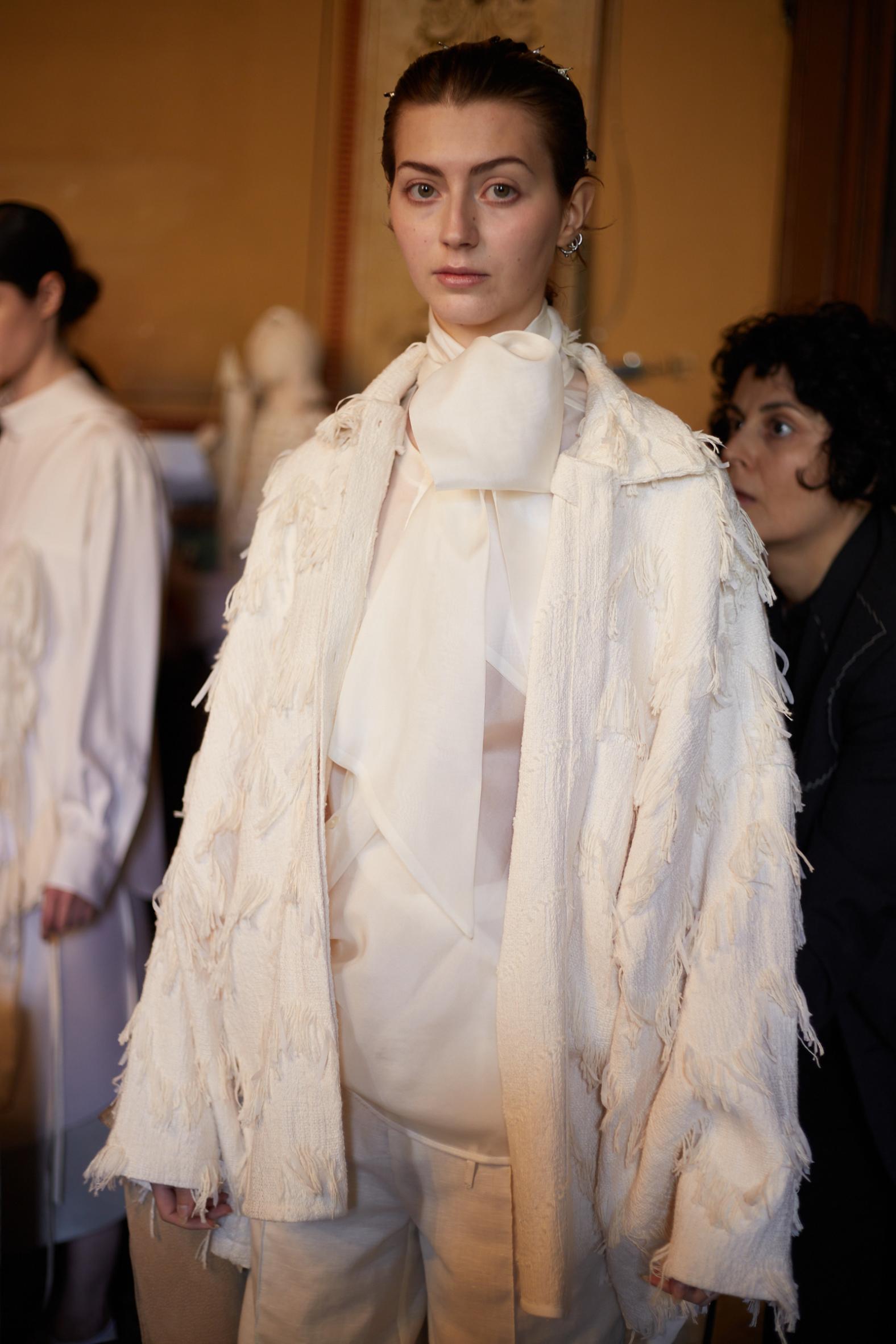
ESSERE PER SÉ — Chiara Cavalieri with Dicotomia Studio
“Essere per sé” works on the body as a transformable surface, through garments that defy anatomical logic and material surfaces that become emotional skin.
In Chiara Cavalieri’s work with Dicotomia Studio, the body becomes unstable territory. Garments distort familiar structures and challenge conventional anatomy, while surfaces behave less like fabric and more like emotional residue. The collection exists somewhere between protection and exposure, transforming fashion into a second skin charged with psychological tension.
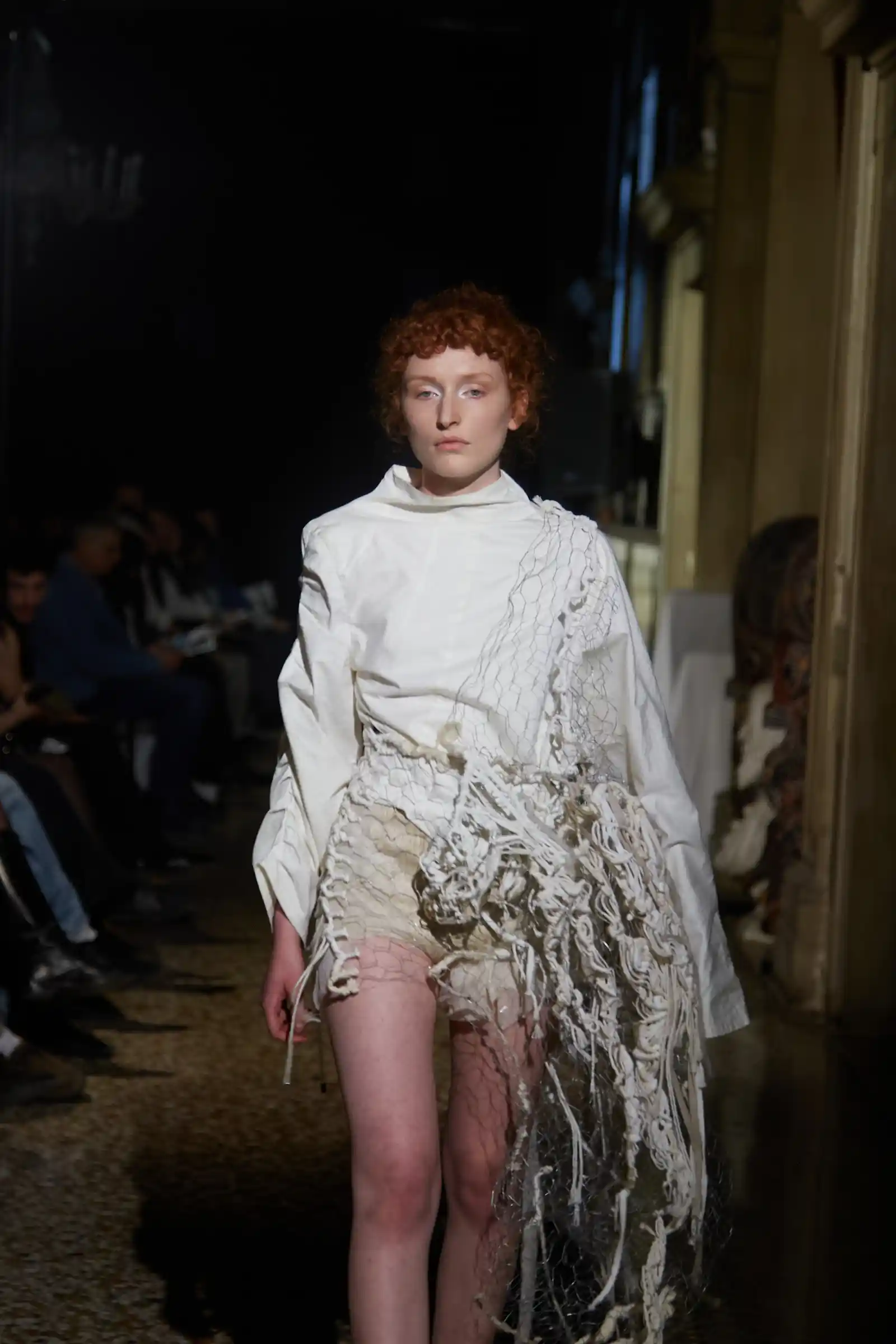
BAUMANO — Ondrej Bauman
“With this collection ‘Tenderness’ I really wanted to explore the idea of master tailoring through the world of ballet and opera.”
Ondrej Bauman approaches tailoring through softness rather than rigidity. Inspired by ballet and opera, Tenderness merges delicate construction with technical precision, moving between structured coats, costumes, dresses, and tailcoats. The collection reflects a designer confronting complexity head-on, transforming fear into discipline and elegance.
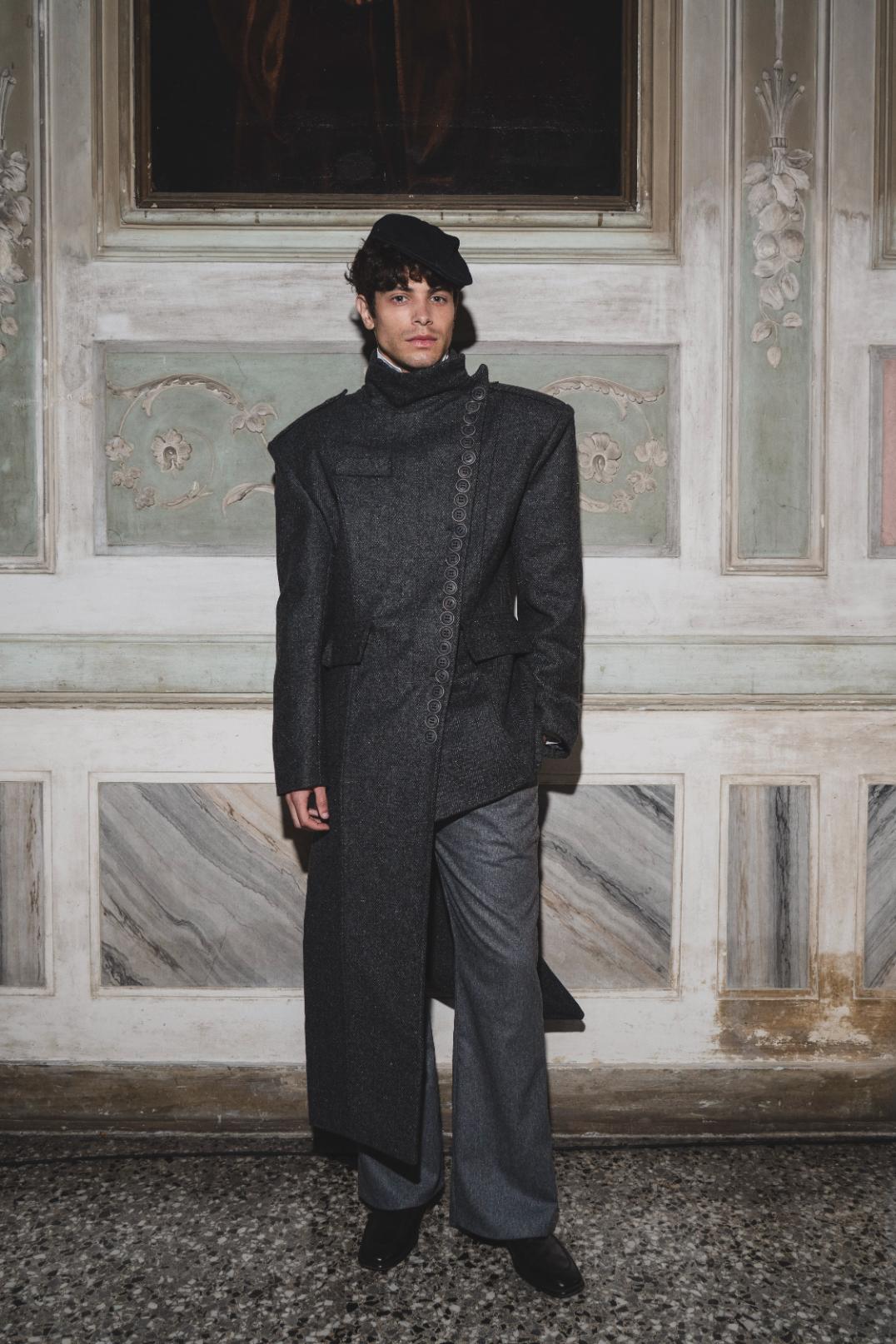
PECORANERA
“A fragile shelter of scraps.”
Pecoranera distills an entire emotional landscape into a single sentence. Built from fragments and discarded materials, the collection embraces vulnerability rather than perfection. The garments feel protective yet unstable, turning waste into intimacy and fragility into form.
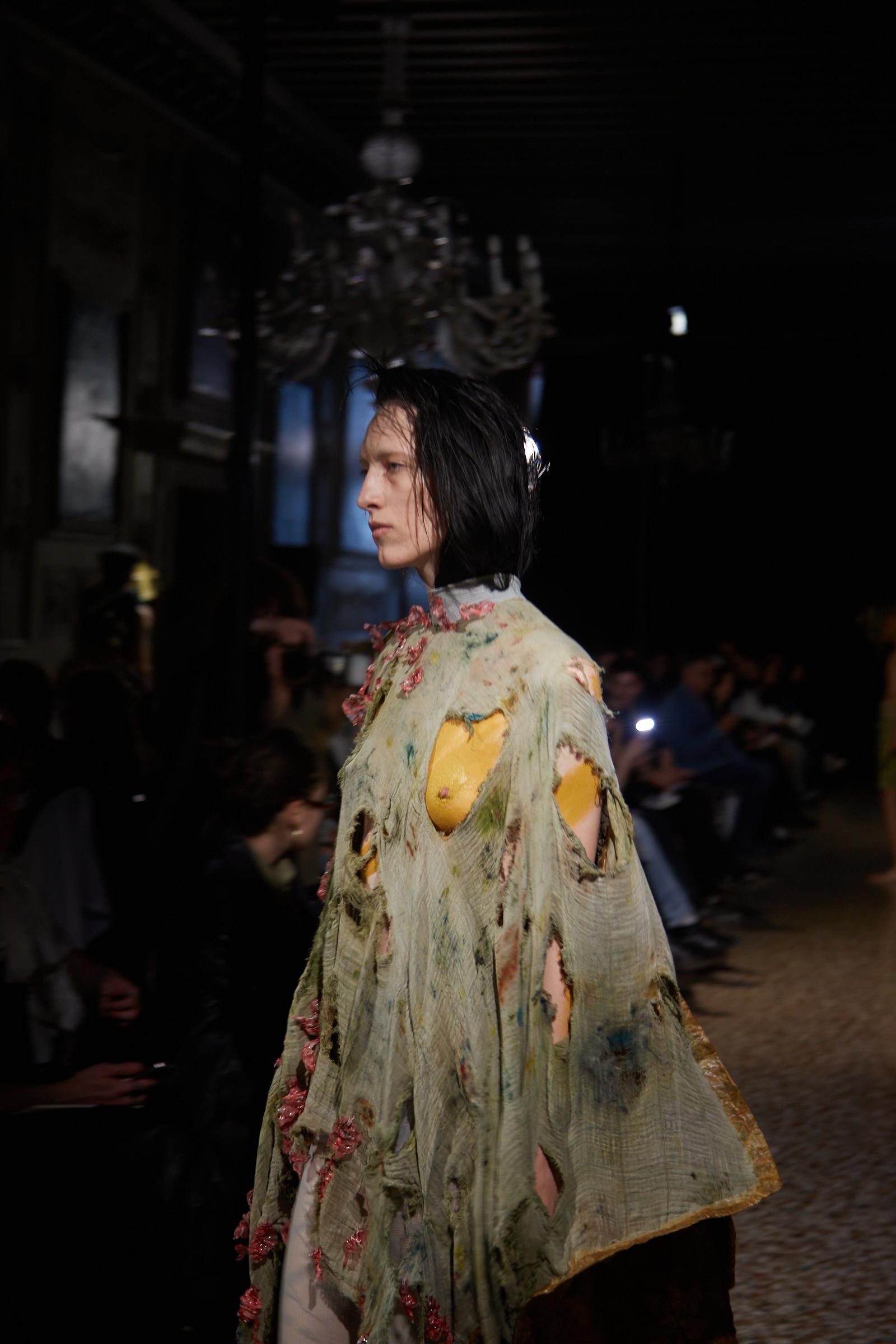
VITTORIO FREGNI & RICCARDO VALLONE
“The collection explores the aesthetic of David Lynch’s Black Lodge, an ‘uncanny’ third dimension where reality and dream collide.”
Among the most cinematic presentations at VBRA, the collection channels the unsettling atmosphere of David Lynch’s Black Lodge into fashion. Familiar silhouettes become distorted and emotionally charged, while the recurring symbol of the blue rose introduces a mysterious feminine presence. The result exists in a suspended state between dream logic and psychological horror.
ARIEL BERKA
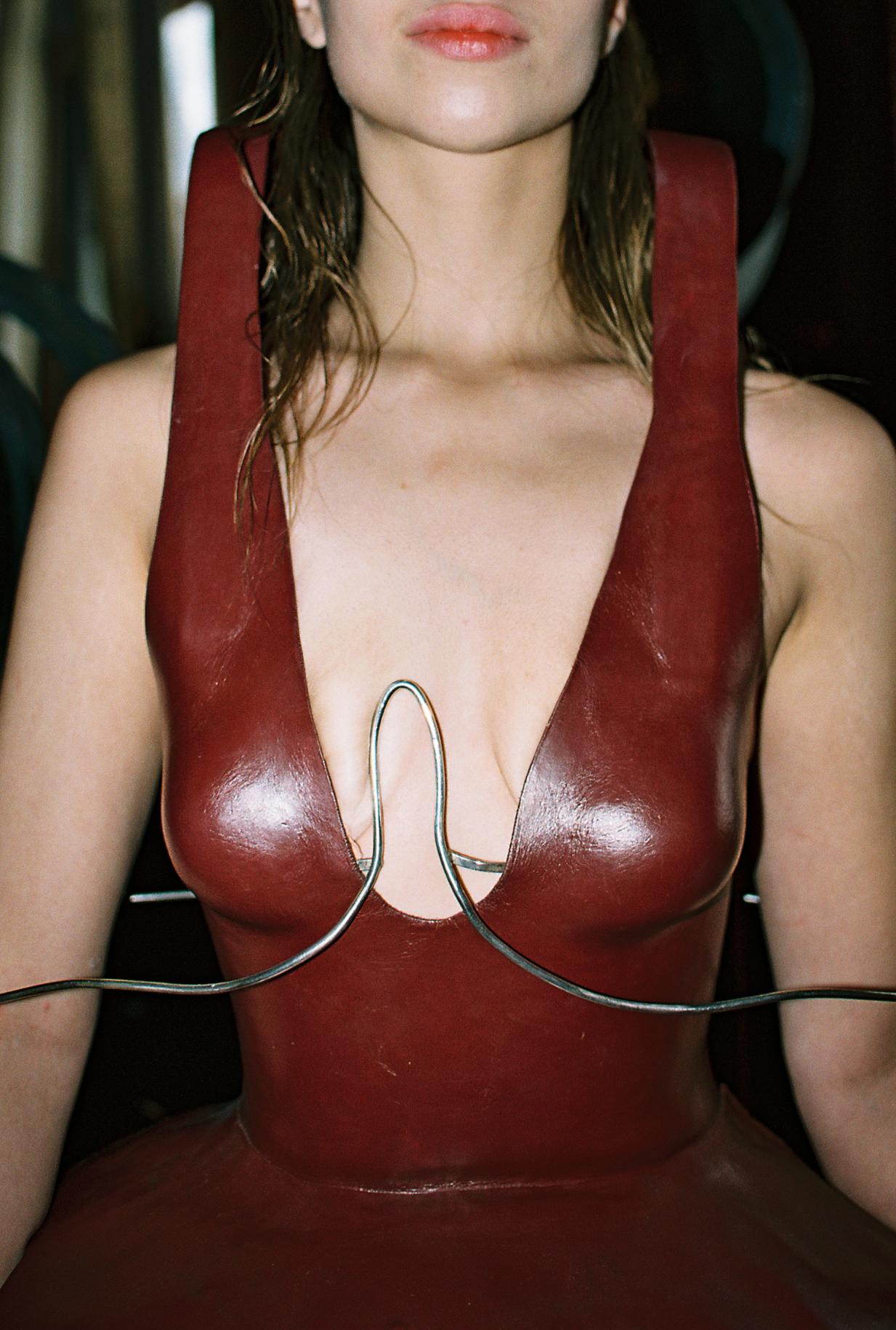
“My collection explores the control imposed on women’s bodies, drawing from contemporary anti-abortion legislation and the restrictive ideals of 1950s domesticity.”
Ariel Berka transforms leather into political language. Combining sterling silver hardware with sharply constructed silhouettes, the collection navigates the tension between sensuality and restriction. Rooted in both historical and contemporary systems of control, the work confronts the politics of the female body without sacrificing visual precision.
RTAMA — Marta Mangano
“Questa collezione racconta la casa come rifugio scelto e profondamente intimo.”
Rtama’s collection approaches domestic space as emotional architecture. Rather than presenting home as idealized perfection, Marta Mangano focuses on intimacy, silence, routine, and imperfection. The garments evoke familiarity and emotional safety, positioning softness and authenticity as radical gestures within a culture obsessed with performance and visibility.
ALCHÈTIPO — Andrea Alchieri
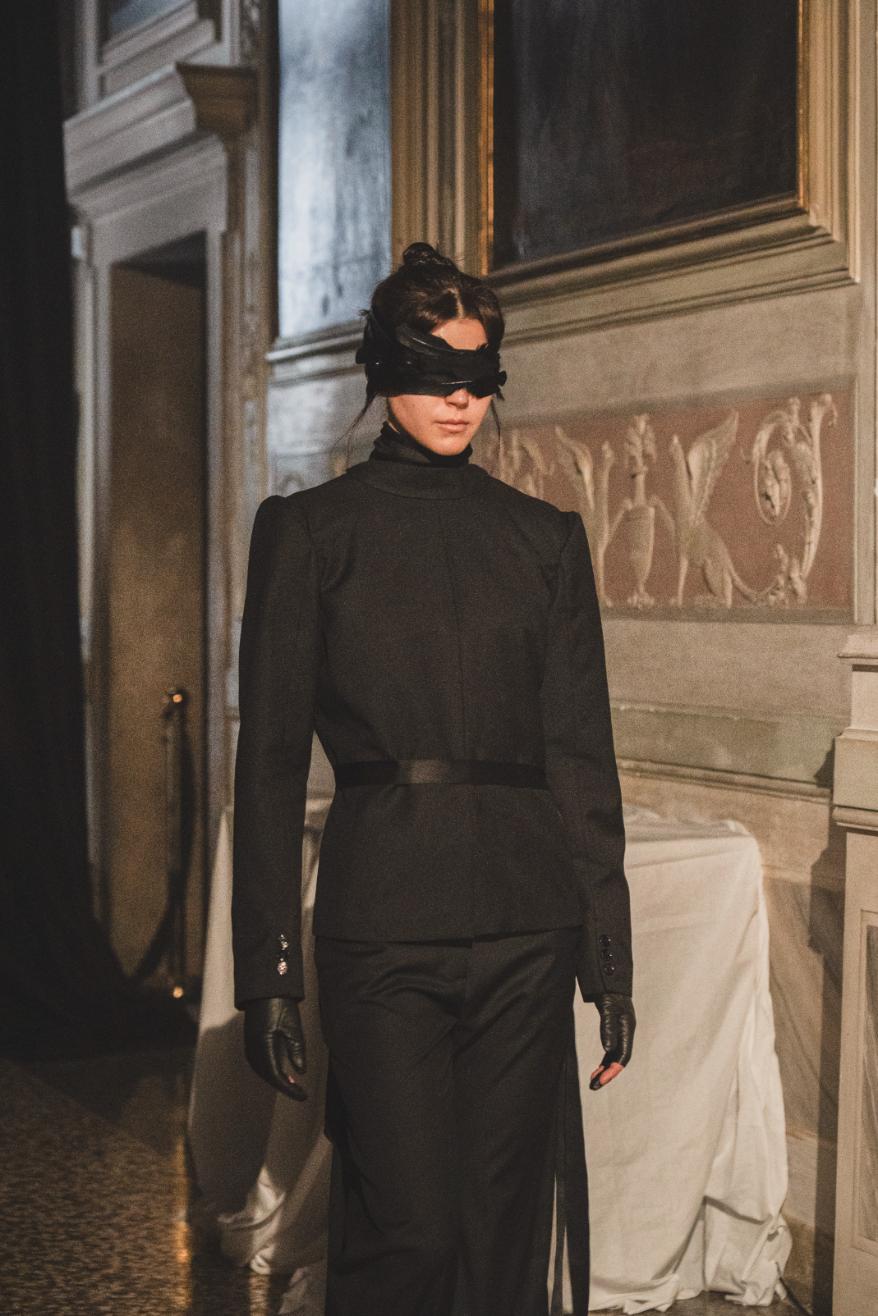
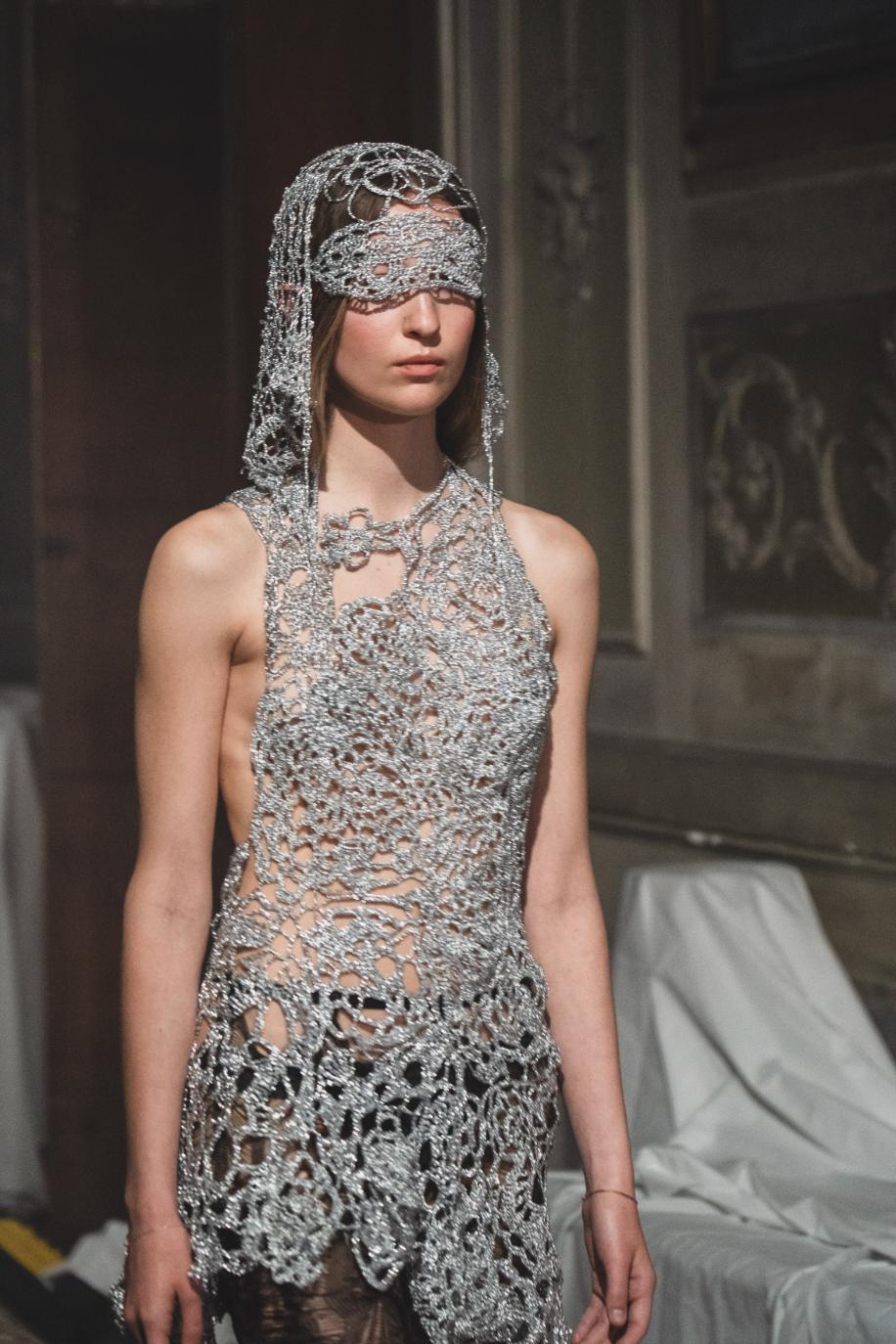
MASQUE SANS VISAGE — NEI SALONI SOMMERSI explores “a decadent and suspended elegance, where deconstructed tailoring becomes ritual, control and mask.”
Andrea Alchieri constructs a submerged world where identity feels both performed and fragmented. Through rigid silhouettes, altered details, and decaying elegance, ALCHÈTIPO investigates the fragile boundary between appearance and emotional survival. The collection feels almost ceremonial, as though each garment exists inside a slow collapse.
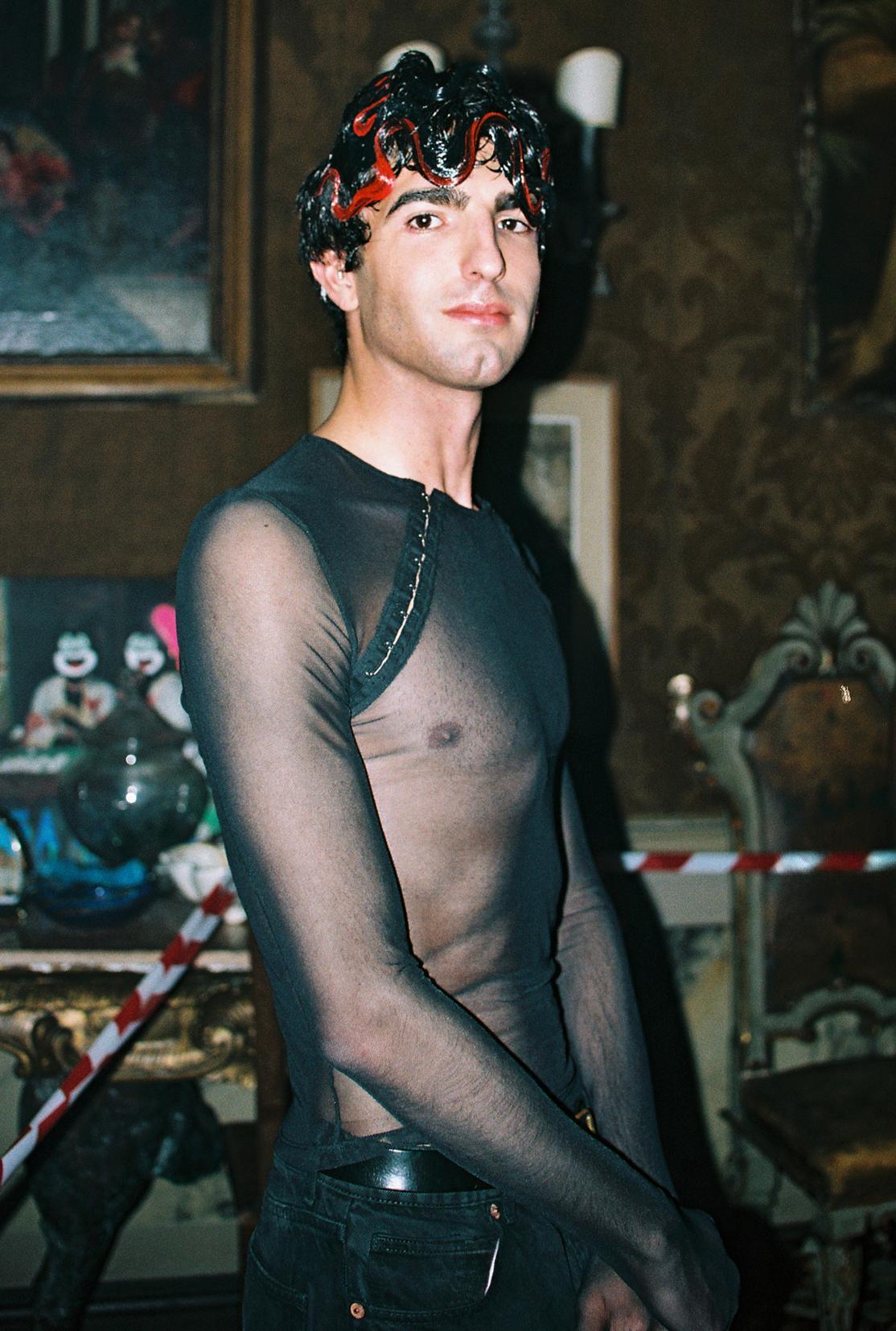
ANNA RINGSTAD — Maintenance Melancholia
“Maintenance Melancholia” is built around the aesthetics of aspiration, and explores fashion as both commodity and commentary.
Anna Ringstad examines online identity through the collapse of clothing, content, and performance into a single continuous image system. The collection reflects the exhaustion of digital aspiration, where fashion becomes inseparable from self-curation and constant visibility. What emerges is both critique and participation, a melancholic portrait of contemporary image culture.
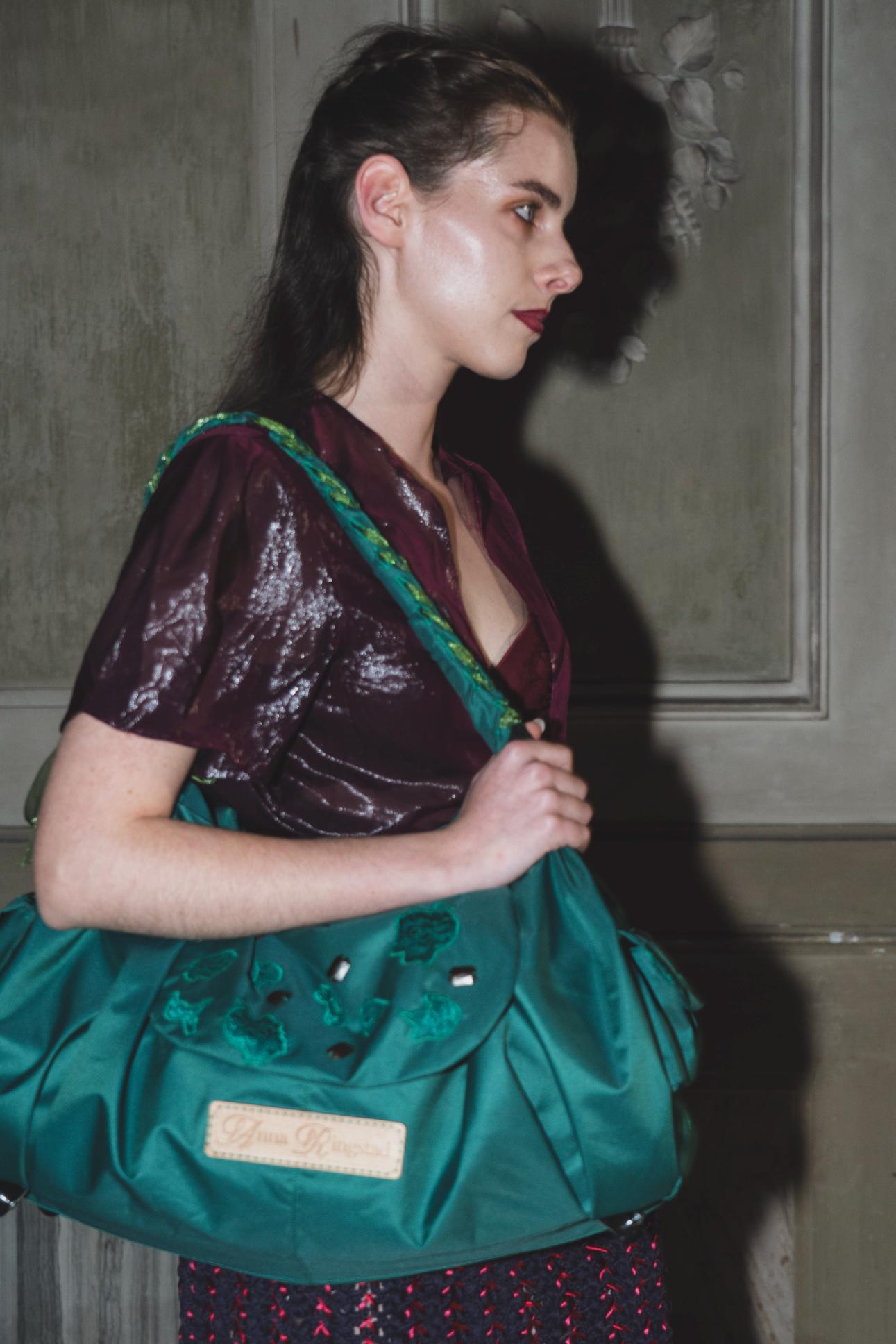
ANNAROSA TELATIN — Mosca Cieca
“Mosca Cieca” is a collection born from discarded fabrics and an exploration of leather experimentation, where acids reshape the material into new organic structures designed to dress the contemporary urban body.
Annarosa Telatin treats material transformation as an act of reinvention. Through acid-treated leather and reconstructed textiles, Mosca Cieca develops an aesthetic language rooted in decay, mutation, and urban survival. The collection imagines the body as adaptive, constantly reshaped by the environments it moves through.
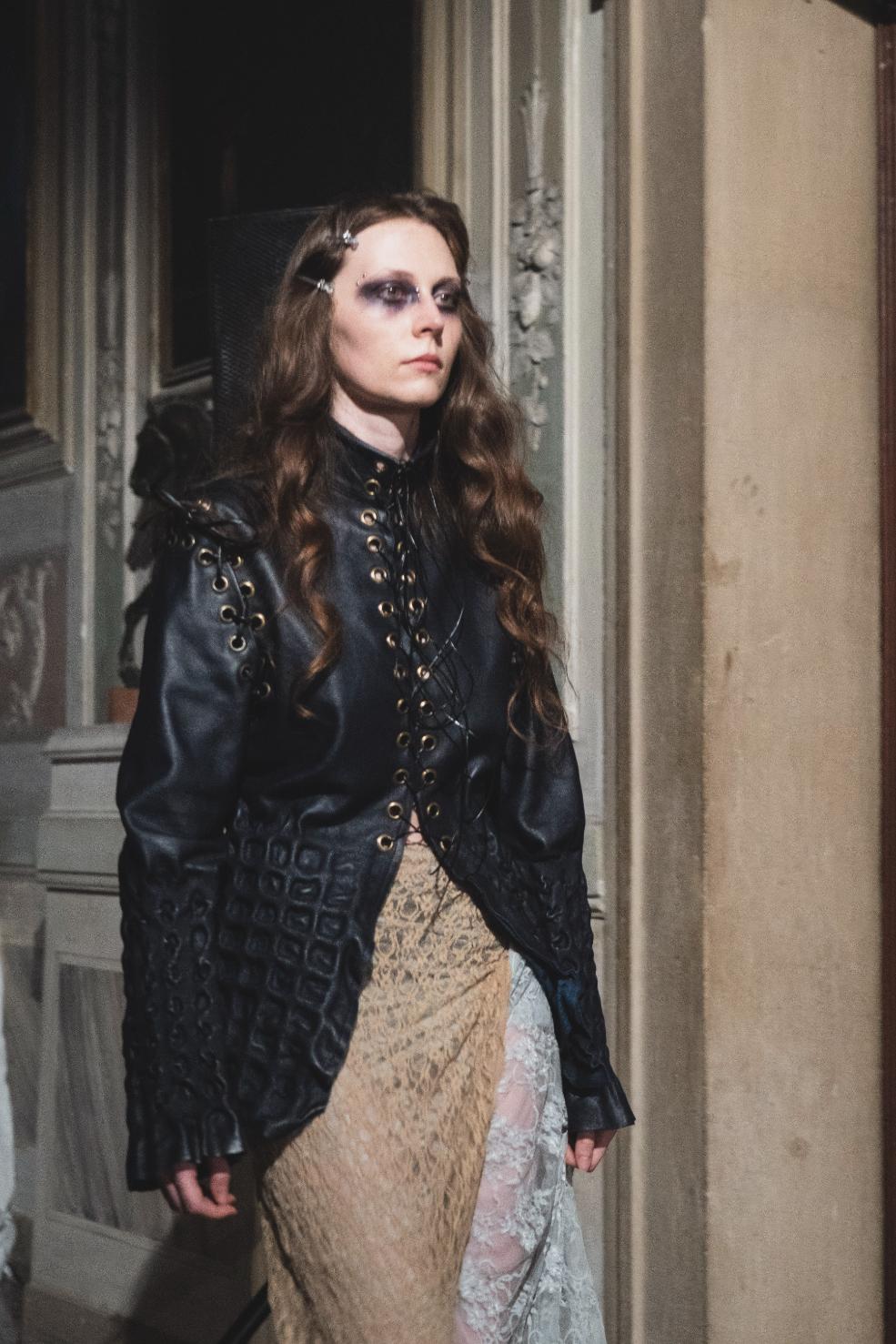
At VBRA Venezia, these collections did more than present garments. They proposed emotional systems, speculative identities, and alternative ways of inhabiting the world. In a moment where fashion increasingly risks collapsing into algorithms and repetition, the designers showcased in Venice reminded us that emerging creativity still thrives through risk, contradiction, and deeply personal vision.