- Date
- 10 JULY 2026
- Author
- DANIEL FACE
- Image by
- PRESS OFFICE
- Categories
- Aesthetics
Ambra Castagnetti Explores the Medicalised Body and Repetition in Surgica
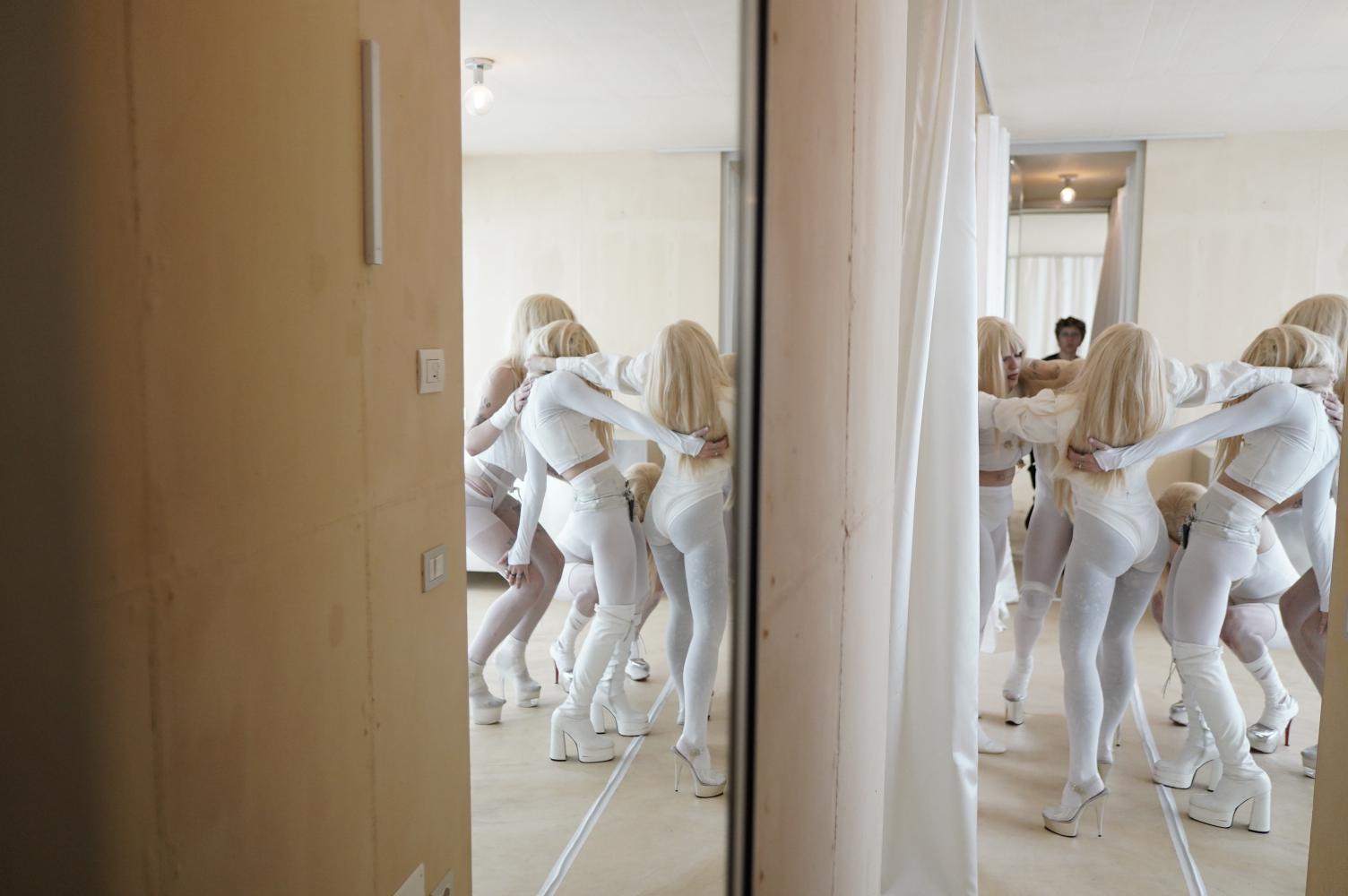
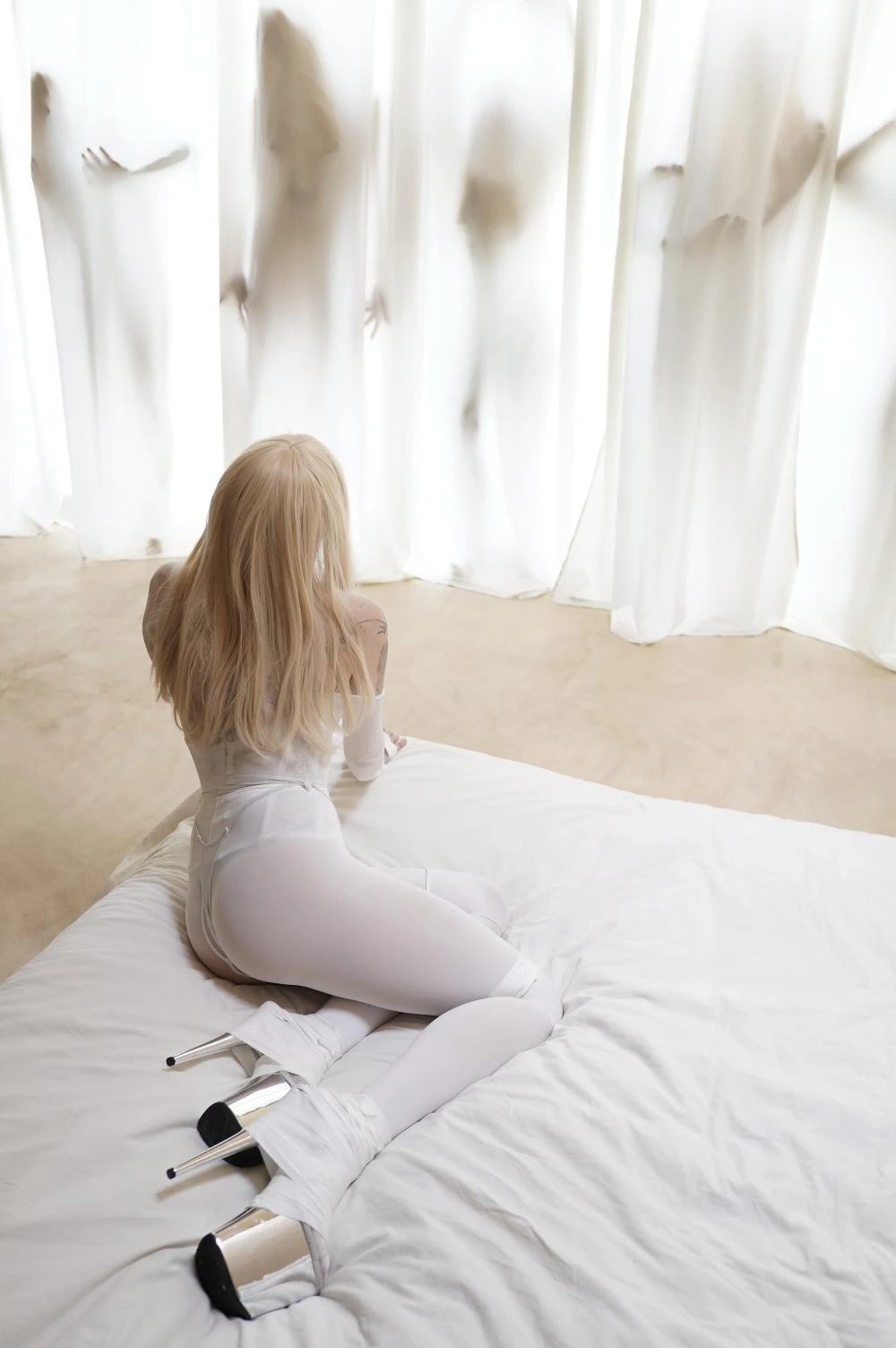
There is something disturbing about a room that is too clean. A domestic space emptied of intimacy, stripped of comfort, almost surgical in its order. In Surgica, Ambra Castagnetti transforms Villa Clea in Milan into precisely this kind of psychological architecture: a closed, aseptic environment where the familiar begins to malfunction.
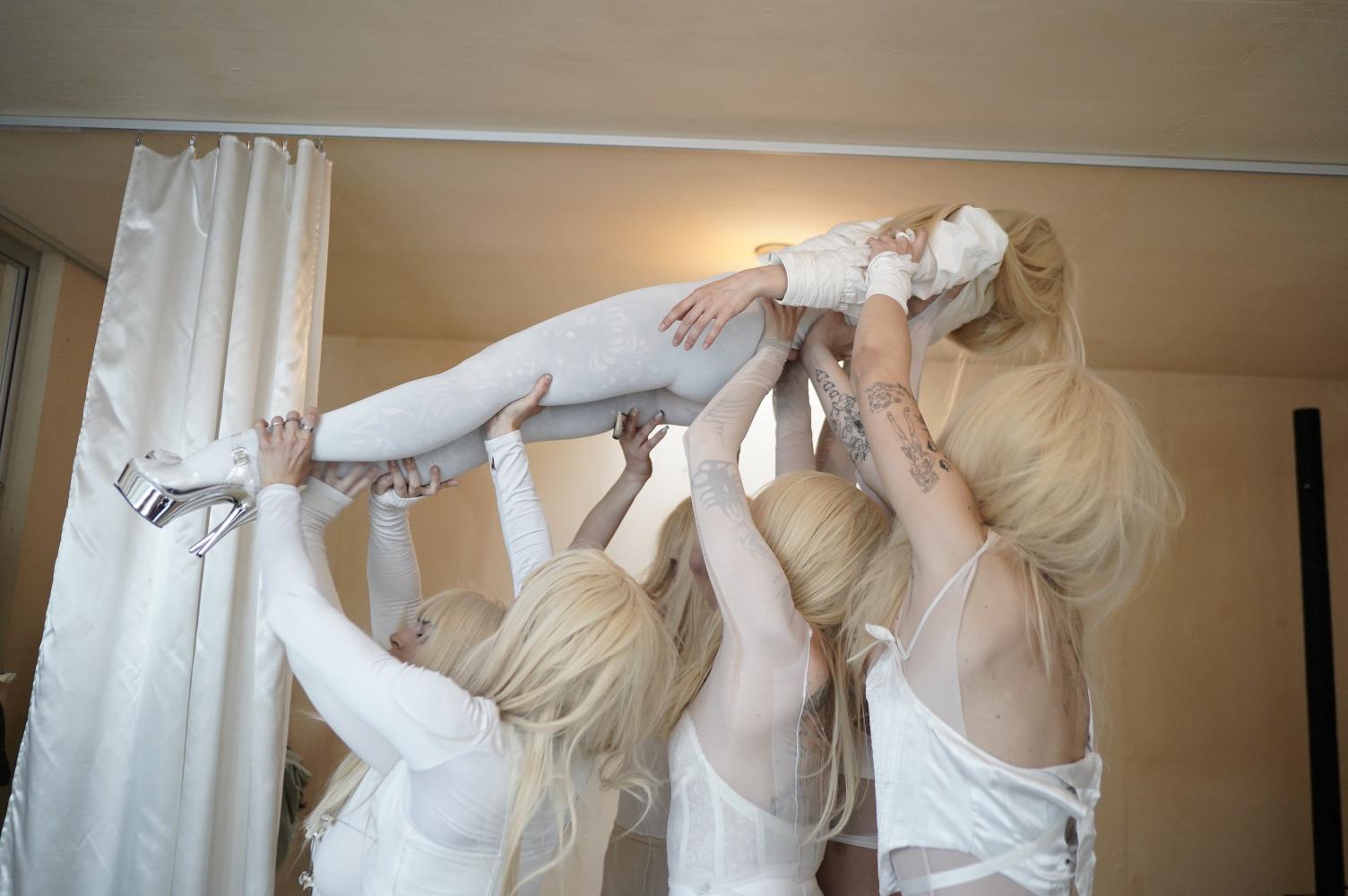
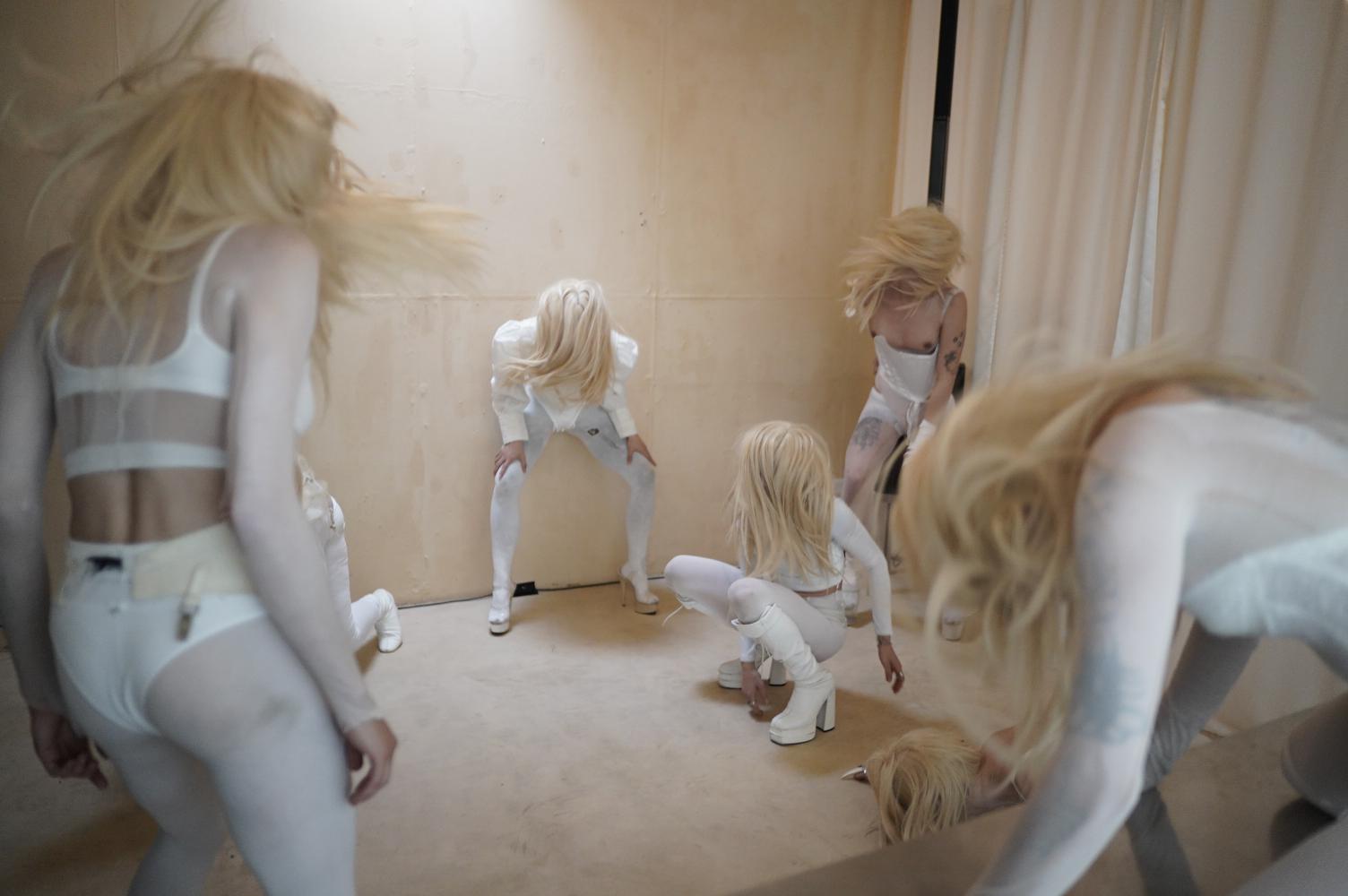
Created site-specifically during a residency at the villa, the choral and installative performance unfolds through seven bodies moving inside an industrial soundscape. At first, their presence appears contained. Then repetition begins to alter the atmosphere. Movements return. Gestures accumulate. Sound intensifies. What might initially resemble order gradually reveals itself as compulsion, and the domestic space becomes the stage of a shared psychosis.
The performance lasts only ten minutes, but Surgica was never conceived as a singular event. Repeated continuously over two hours, it transforms duration into a physical material. The performers return to the same actions again and again, resisting the linear logic of beginning, climax and resolution. Each repetition leaves a residue. Exhaustion becomes visible. The body remembers what the choreography attempts to reset.
This is where Surgica becomes most powerful: in the gap between the body as an image and the body as matter.
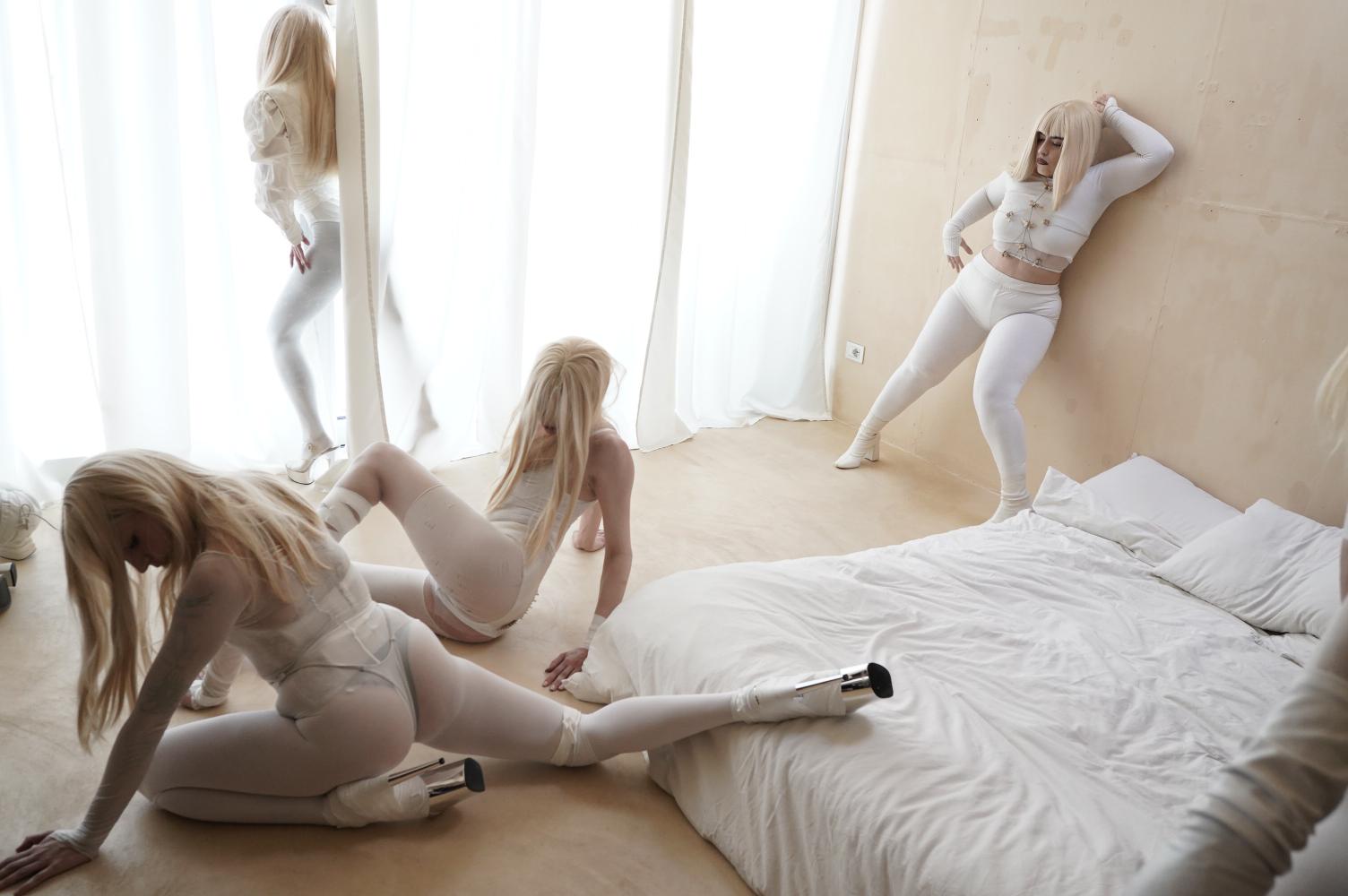
Castagnetti’s work has long investigated the unease embedded in everyday experience, moving across sculpture, painting, installation, video and performance. Born in Genoa in 1993, the artist constructs alternative ecosystems populated by feminine, animal and natural forms. These worlds are not utopias. They are shaped by desire, violence, tenderness and what she describes as the “blind rage of nature.” Human presence no longer occupies the centre. Instead, bodies, materials and species exist horizontally, merging into one another. In Surgica, this instability enters the domestic sphere. The female body appears caught between medicalisation and perfection, between the pressure to be corrected and an equally powerful drive toward disintegration. The title itself seems to hover somewhere between the surgical and the organic, suggesting a body subjected to intervention but never entirely controlled by it.
Here, perfection is not a destination but a pathology.
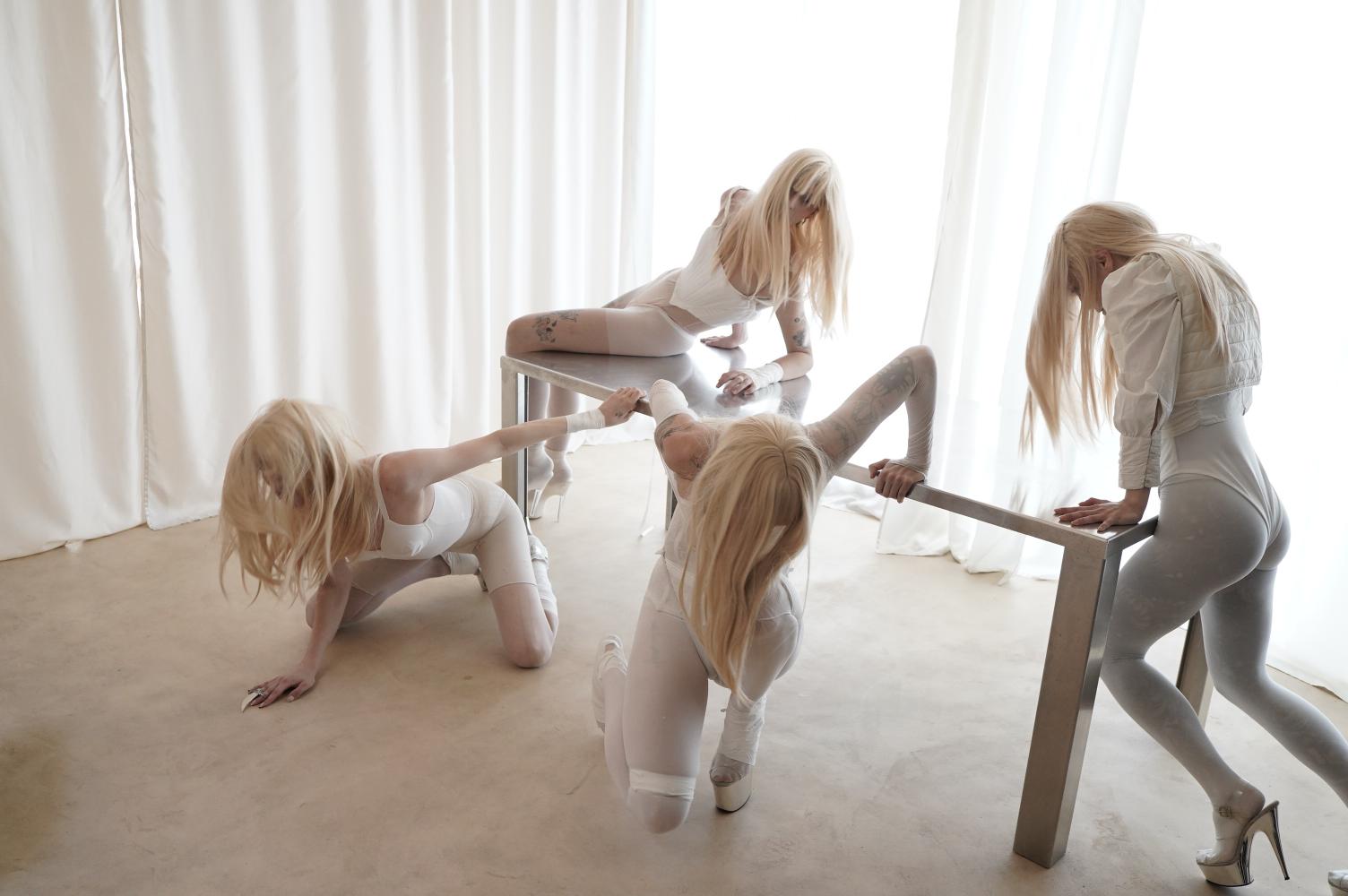
As the industrial soundscape moves towards its climax, the performers cease to function as individual figures. They become a collective organism, trapped inside cycles of discipline and excess. Yet the body refuses to remain a passive surface. It deforms. It tires. It repeats imperfectly. It produces something that the systems attempting to regulate it cannot fully absorb.
This tension runs throughout Castagnetti’s wider practice. Soft and vulnerable forms are often confronted with metals, shields, bones, skulls and protective structures. Her sculptural processes move between direct traces of existing objects and forms modelled from raw matter. Animal remains can become matrices for new shapes, opening what she calls a game between “shape and counter-shape, similarity and dissimilarity, figuration and disfiguration.”
The same process occurs in Surgica, only the material being reshaped is time.
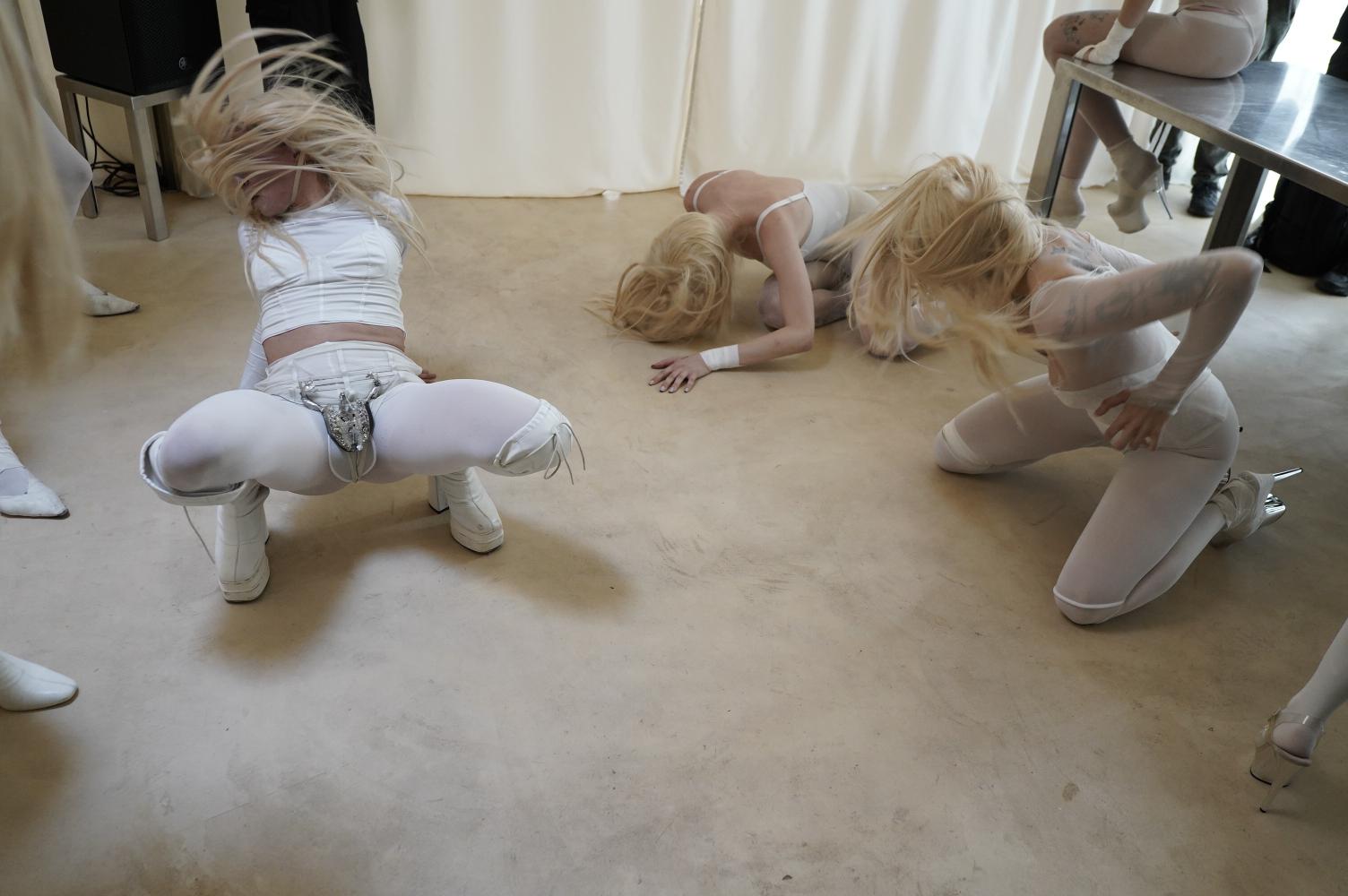
Repeated performance fractures the image of a stable body. No gesture can ever return in exactly the same way. The performers inhabit a loop, but the loop itself decays. In this sense, Surgica echoes Gaston Bachelard’s understanding of memory and space: time does not simply pass but becomes fixed inside images, rooms and the architectures we inhabit.
At Villa Clea, the domestic becomes one of these architectures. It contains and compresses the performance until reassurance gives way to claustrophobia. What remains is a body that cannot be normalised without producing excess, and cannot be perfected without revealing the violence behind perfection itself.