- Date
- 18 OCTOBER 2026
- Author
- JAGRATI
- Image by
- PRESS OFFICE
- Categories
- Aesthetics
Videocittà Napoli 2026: Where Heritage Meets the Next Generation of Creativity
Two sold-out evenings of digital art, immersive experiences and cultural exchange at the Real Albergo dei Poveri reveal a city where historical heritage, contemporary creativity and technological innovation are shaping an exciting future together.
Naples has always been a city of extraordinary cultural energy. Its architecture, music, artistic traditions and unmistakable urban identity have made it one of the world's most recognisable cultural destinations. Yet what makes Naples particularly exciting today is not only the richness of its past, but the way it continues to evolve. Beyond its internationally celebrated heritage, Naples is a city of contemporary artists, designers, researchers, developers, students and creative professionals who are contributing to new conversations around art, technology and innovation. Its cultural identity is not confined to history; it is constantly being reinterpreted by the people who live, study and create here. On 10 and 11 October 2026, Videocittà, the Festival of Vision and Digital Culture, founded by Francesco Rutelli with creative direction by Michele Lotti, arrived in Naples for the first time, offering a compelling expression of this evolving identity.
Hosted at the monumental Real Albergo dei Poveri, the festival brought together immersive installations, digital art, audiovisual experimentation, music and conversations about technology, sustainability and urban transformation. Both evenings were fully booked, welcoming audiences across generations and creating an atmosphere of curiosity, discovery and participation. More than a successful cultural event, Videocittà Napoli reflected a city increasingly confident in its ability to connect historical identity with contemporary innovation, bringing together the creative energy of its younger generations, international artistic perspectives and a shared ambition for cultural development.
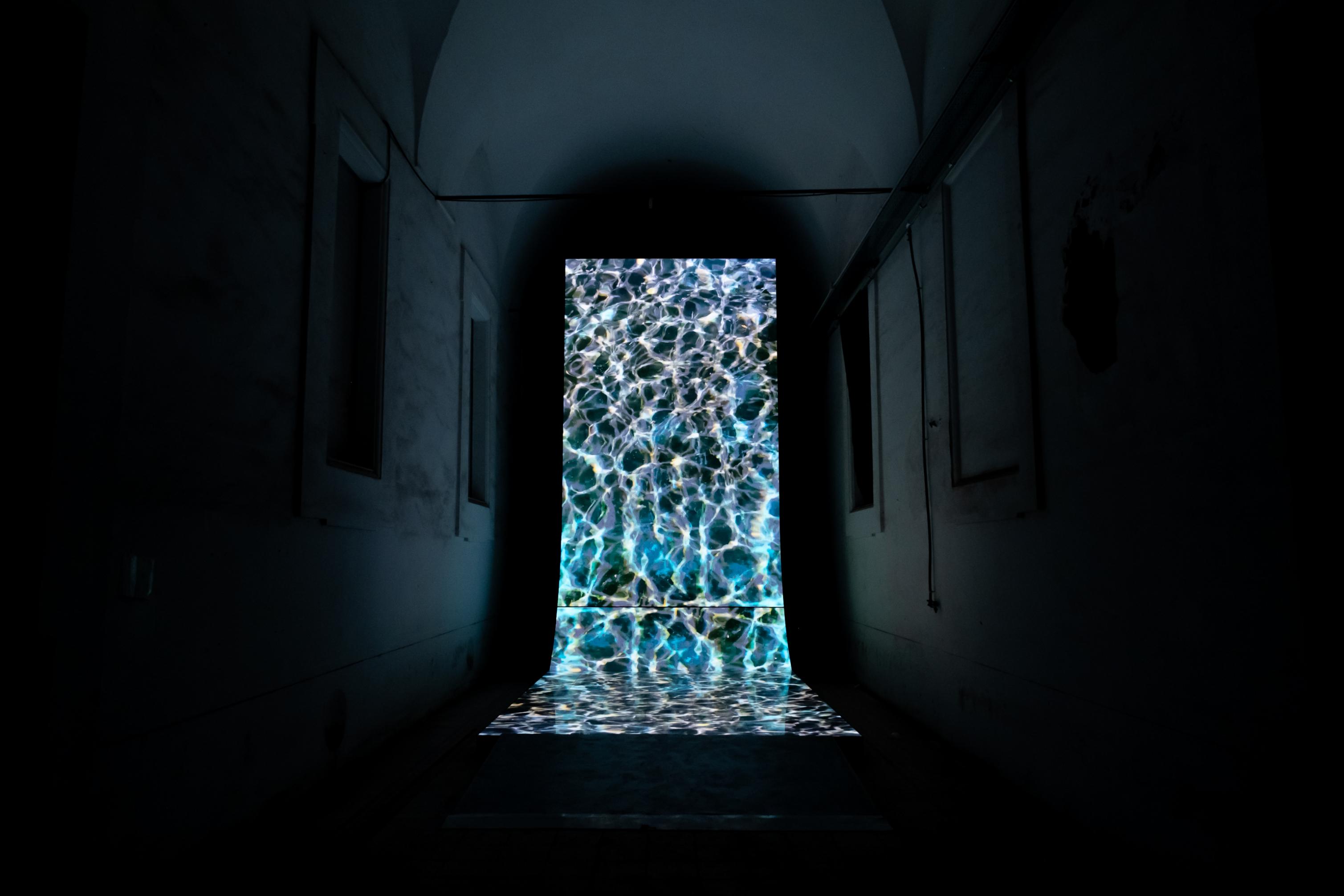
The choice of venue was perhaps the festival's most powerful statement. The Real Albergo dei Poveri, one of Europe's largest public buildings, is an extraordinary eighteenth-century architectural complex currently undergoing an ambitious restoration and urban regeneration process.
For two evenings, its monumental interiors became a setting for experimental digital art. Moving images illuminated historic walls, lasers and sound transformed vast architectural spaces, and contemporary installations created unexpected relationships between physical heritage and digital imagination.
The juxtaposition of past and future was striking, yet it felt remarkably natural. In Naples, history is not simply something to observe. It is part of the city's everyday life, continually influencing its creative expression and cultural identity. Innovation does not need to exist separately from this heritage; the two can actively enrich one another.
Videocittà demonstrated how historic architecture can become a dynamic space for contemporary experiences, inviting new audiences to engage with familiar places from entirely different perspectives.
The festival also reflected a wider vision of urban regeneration supported by the Municipality of Naples and the Campania Region, in which the restoration and cultural activation of significant historical spaces can contribute to participation, experimentation and the city's continuing transformation.
Rather than viewing preservation and innovation as competing priorities, this approach recognises that heritage can provide a powerful foundation for contemporary cultural life.
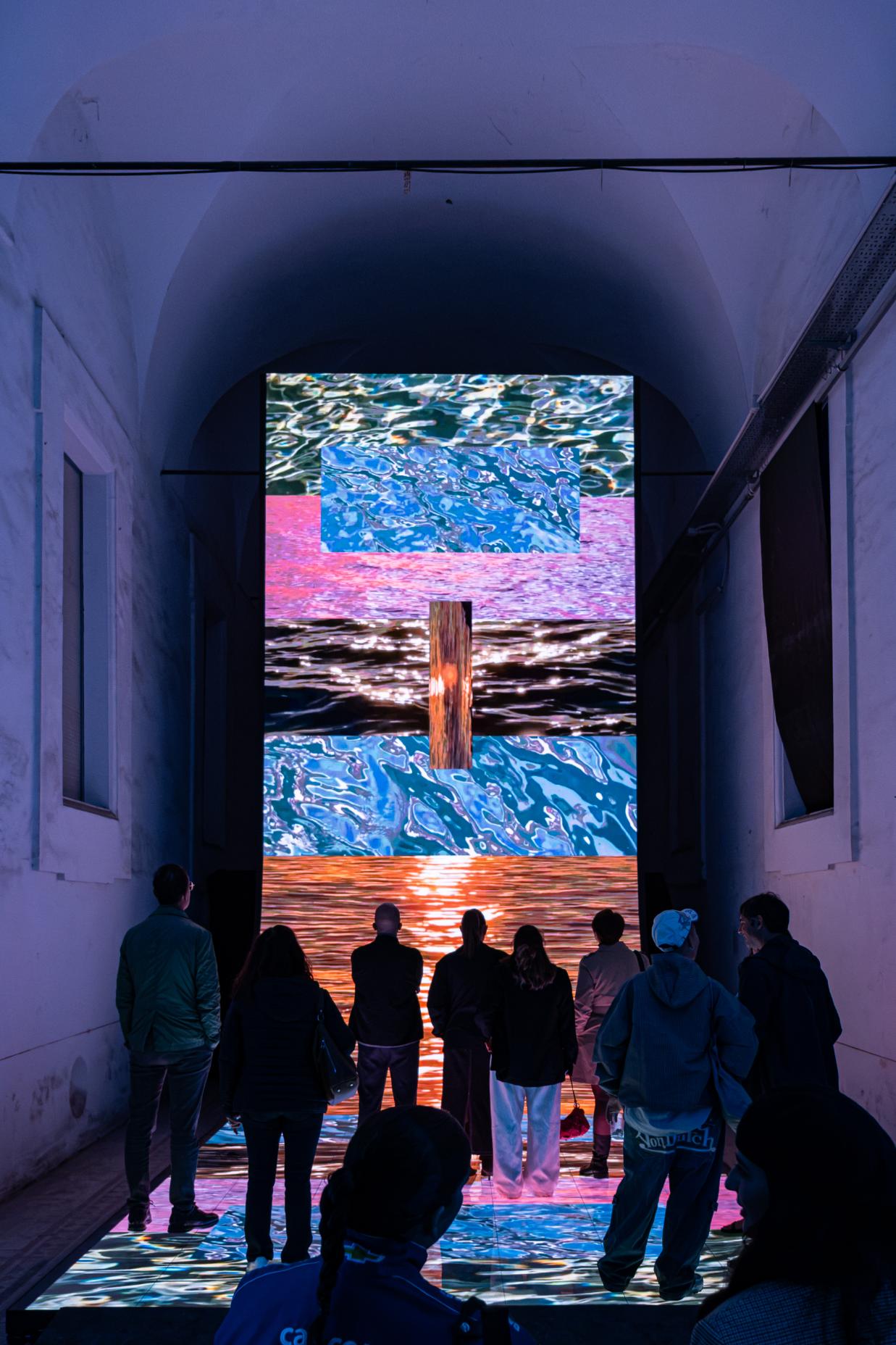
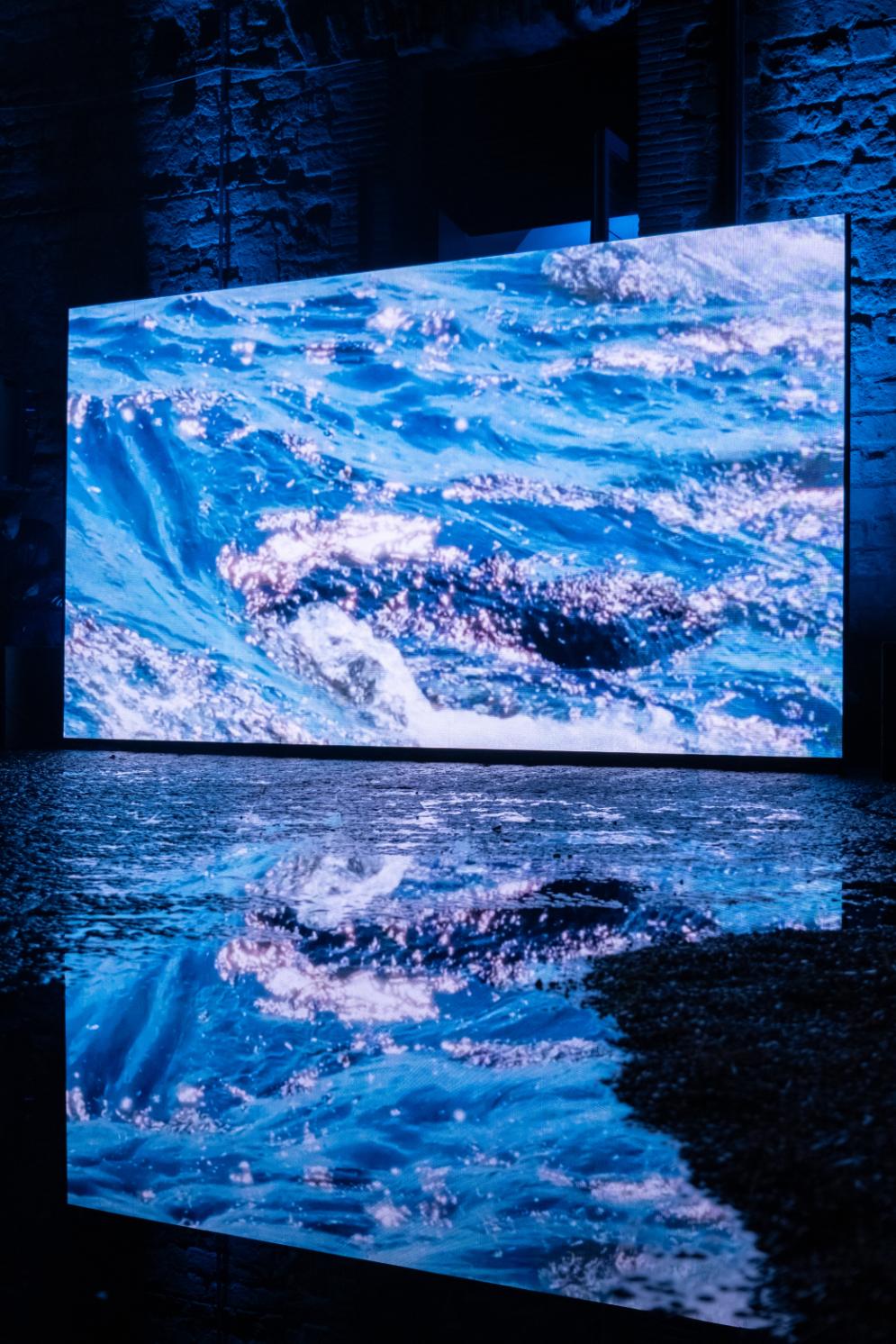
The artistic programme was connected by a theme deeply rooted in Naples' identity: the sea. For centuries, the Mediterranean has shaped the city's geography, culture, imagination and relationship with the wider world. At Videocittà, it became a source of contemporary artistic experimentation, interpreted through digital technologies and new visual languages.
In the Central Gallery, monumental video installations by Juan Carlos Beltrán, MAOTIK, Matías Alonso Revelli and Milkorva in collaboration with RNMW explored marine landscapes through moving images, artificial intelligence, generative algorithms and abstract visual compositions.
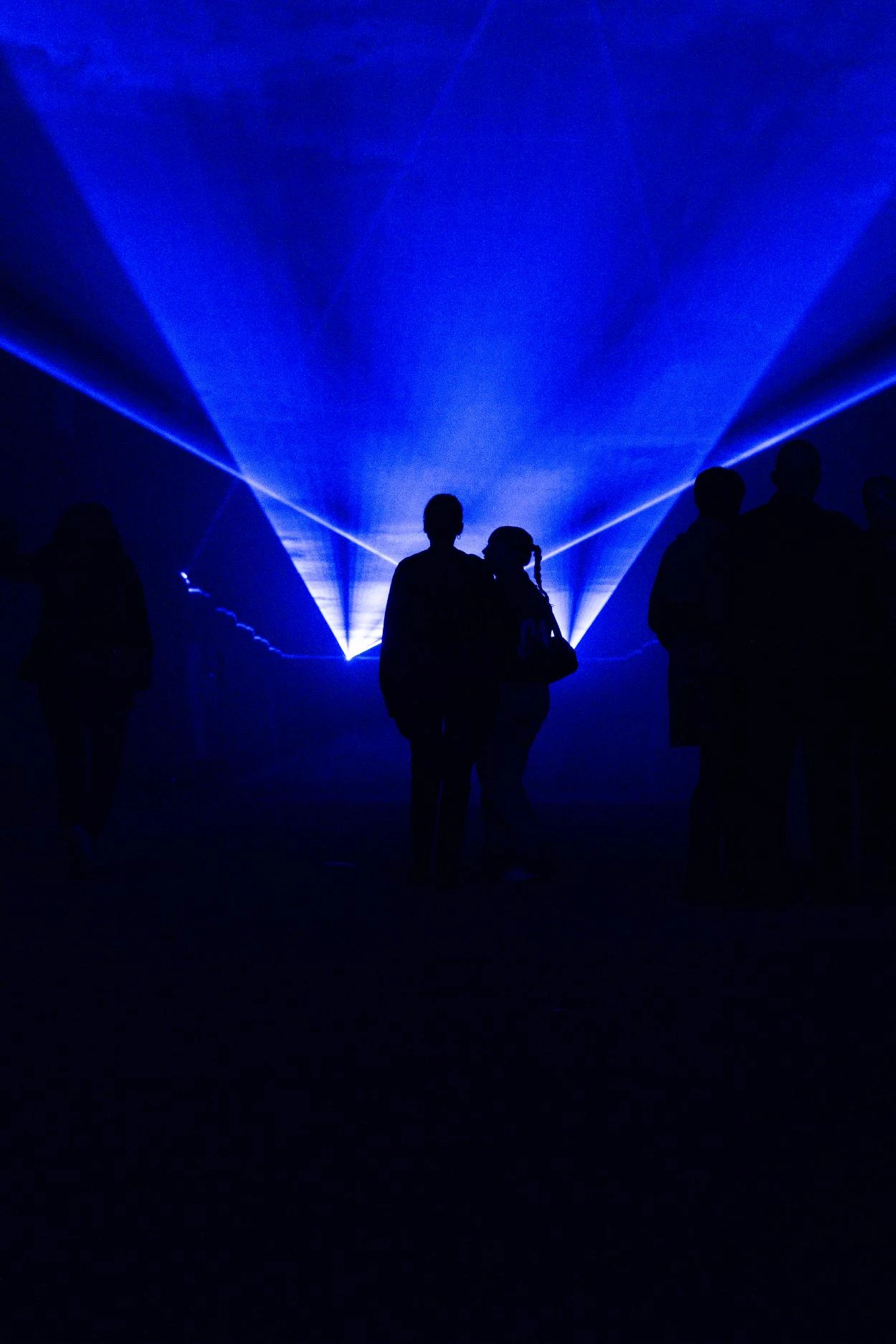
In the Refectory, UNDA, a site-specific installation by Visioni Parallele Creative Studio, transformed the movement of waves into an immersive environment of light, lasers and sound, accompanied by musical compositions from Francesca Heart and NZIRIA.
Quayola's Storms offered another interpretation, translating the movement of water into a form of digital painting that connected traditional landscape art with computational techniques.
The video art programme, curated by Rä di Martino and Damiana Leoni, featured works by Adrian Paci, Ilaria Abbiento and artists presented by Ibrida Festival, exploring themes of migration, identity, memory and the environment. Among the festival's most moving moments was the presentation by Carolina Rosi of 'O mare, bringing together Luca De Filippo's poetic voice and the guitar of Pino Daniele. Throughout the two evenings, musical selections curated by Soul Express & Lento Hi-Fi, with OBBI and Bassolino, added another layer to the experience.
These works illustrated how technological experimentation can reinterpret familiar cultural narratives without disconnecting them from their origins. The Mediterranean became a bridge between artistic memory and contemporary imagination, connecting Naples' identity with international digital culture.
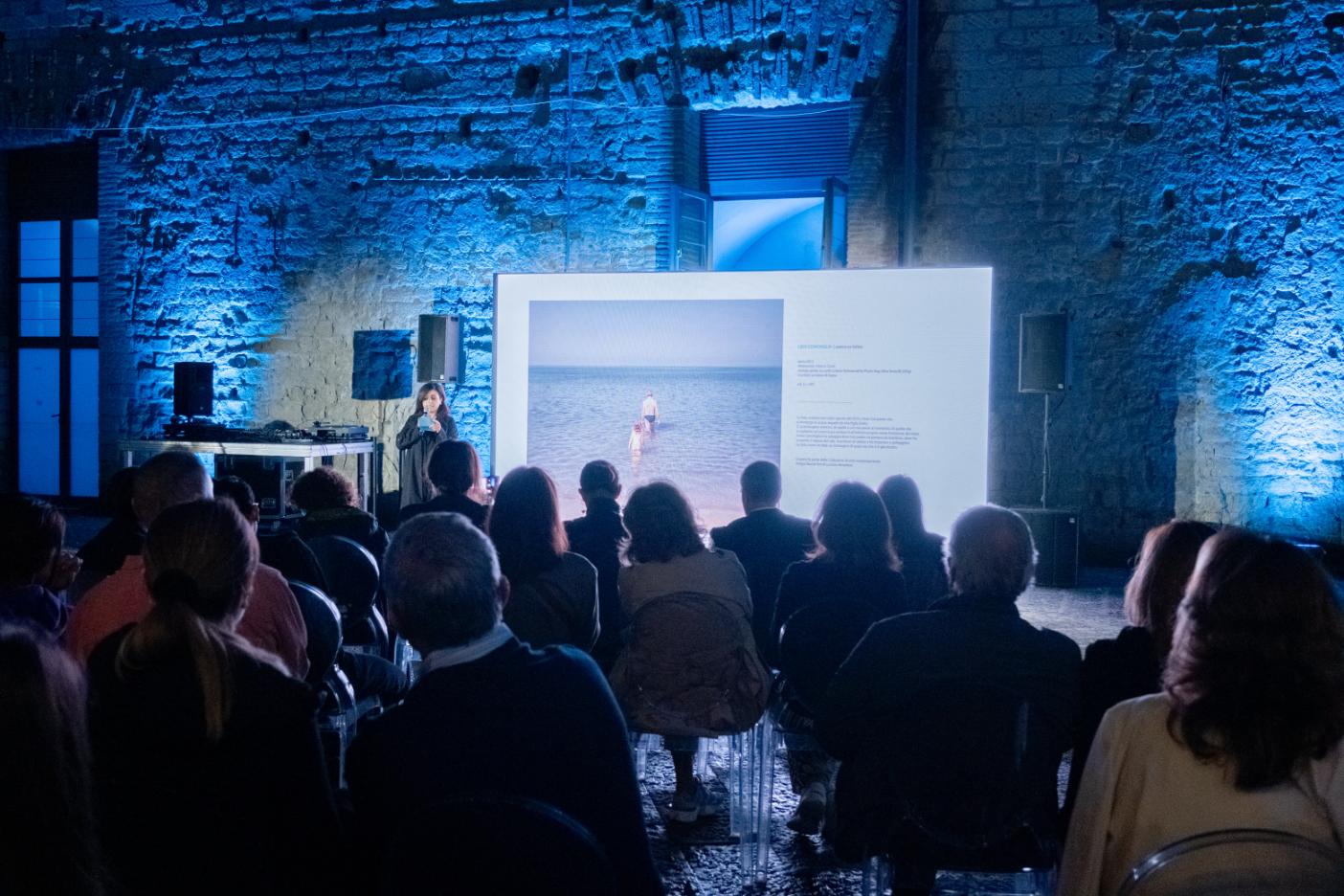
One of the most interesting dimensions of Videocittà Napoli was the dialogue it encouraged between the city's academic, technological and creative communities. The festival's programme included Simon Pietro Romano, professor of Computer Engineering at the University of Naples Federico II and Managing Director of the Apple Developer Academy, alongside Piero Salatino, professor at Federico II and President of Meditech. Their participation in a discussion dedicated to the city as a cultural project, including digital transformation, city branding and new models of development, highlighted the importance of connecting academic knowledge, technological innovation and contemporary culture.
Naples has a rich academic tradition and a dynamic community of young people exploring software development, design, digital products, entrepreneurship and emerging creative technologies. Institutions such as the University of Naples Federico II and the Apple Developer Academy contribute to an environment where technical knowledge, design thinking and creative problem-solving increasingly intersect. These disciplines are also becoming central to contemporary artistic practice. Immersive installations, interactive environments, generative art and audiovisual performances often emerge through collaborations between artists, engineers, programmers, designers and researchers.
Videocittà offered a public setting where these different worlds could encounter one another. It also revealed the potential for future editions to create further opportunities for students, recent graduates and emerging creative professionals to exhibit their work, demonstrate experimental projects and connect with established international practitioners. Such opportunities can strengthen the relationship between education and professional creative practice, giving younger generations greater visibility and access to wider cultural networks. For a city already rich in intellectual and artistic talent, these connections are particularly valuable. They allow new ideas to circulate across disciplines and help transform individual creativity into shared cultural momentum.
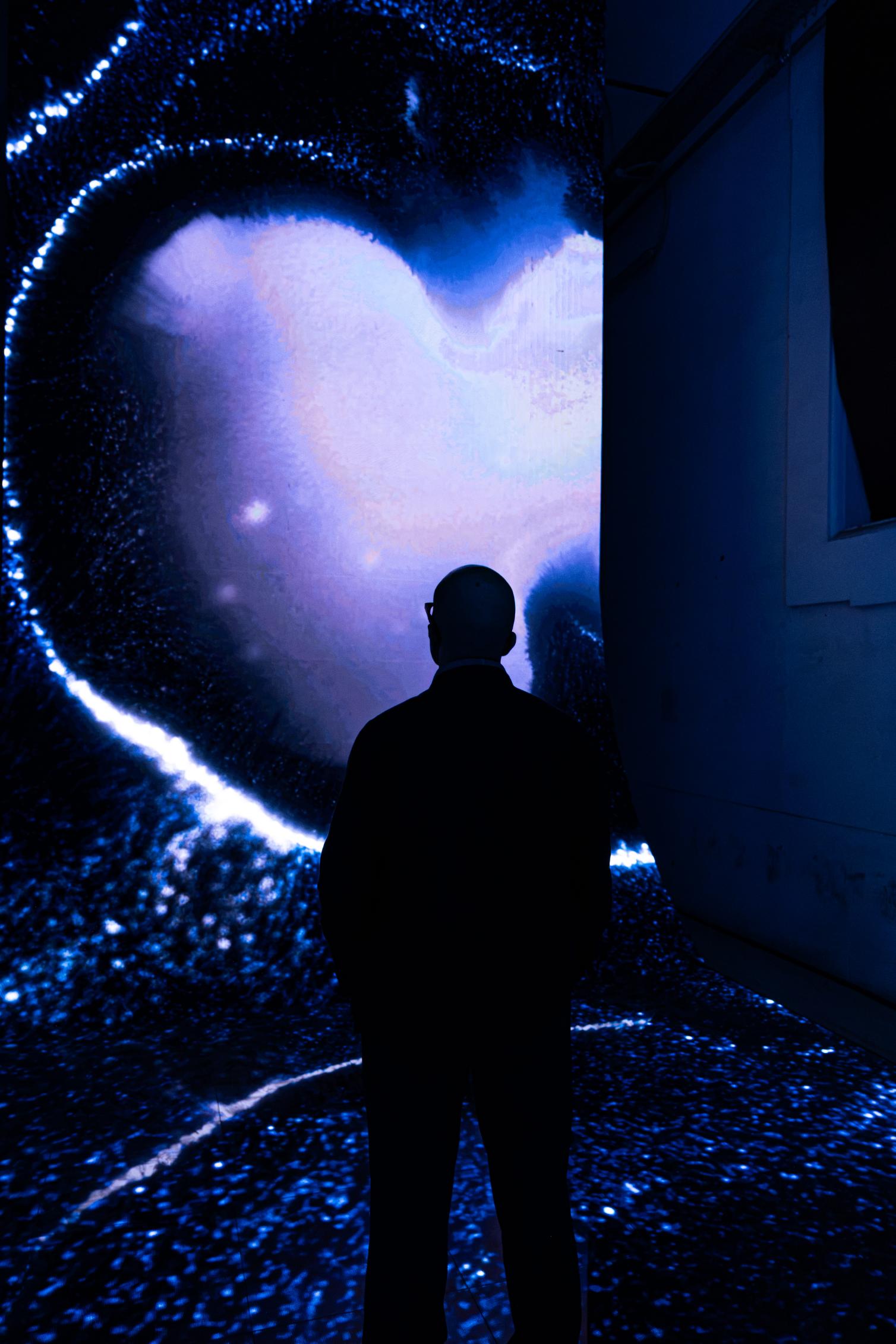
At a time when conversations about technology are often dominated by questions of automation, artificial intelligence and uncertainty, there is also a growing need for spaces that explore its constructive and imaginative possibilities. Videocittà offered precisely this perspective. Technology was presented not simply as a technical instrument, but as a medium for artistic expression, storytelling, environmental awareness and collective experience. The festival brought together artists, cultural professionals, researchers, institutions and audiences interested in exploring what emerging technologies can make possible.
This interdisciplinary environment is important because innovation often develops through unexpected encounters. A designer may discover new possibilities through generative art. A developer may become interested in audiovisual experimentation. An artist may encounter unfamiliar tools through a conversation with a researcher, while a student may begin imagining a professional path that combines several disciplines.
Events like Videocittà can become valuable meeting points for these communities, encouraging networking, knowledge exchange and future collaborations. They also offer an opportunity to develop a more optimistic, human-centred conversation about technology, one that recognises its complexities while celebrating its potential to expand creative expression and cultural participation. For Naples, strengthening the dialogue between artists, developers, researchers, universities and independent creative professionals can contribute to an innovation culture that is both internationally connected and deeply rooted in the city's own artistic and intellectual traditions.
The enthusiastic response to Videocittà Napoli was particularly encouraging because of its intergenerational character. Young visitors, students, families and professionals explored the installations together, experiencing the historic spaces of the Real Albergo dei Poveri through unfamiliar visual and sonic languages. Visitors sat and lay on the floor to immerse themselves in the audiovisual works, spent time observing changing digital landscapes and moved through the monumental spaces with curiosity and enthusiasm.
This shared experience reflected something important about contemporary cultural participation: audiences increasingly want to engage with art rather than simply observe it. For younger generations, the boundaries between visual art, music, design, programming, digital media and technology are becoming more fluid. Creative identities are often built across several disciplines, and new forms of artistic expression emerge from this exchange.
Public cultural events can help make these emerging practices visible. Beyond attending exhibitions, young people benefit from platforms where they can present their own projects, exchange ideas, collaborate with professionals and participate actively in cultural production.
Videocittà's format offers considerable potential in this direction, from student showcases and creative laboratories to experimental installations, technology demonstrations and professional networking opportunities. The opportunity is not simply to introduce young audiences to contemporary culture, but to recognise them as contributors to its development. Naples' cultural future is not something that younger generations are waiting to inherit. Through their creativity, skills and experimentation, they are already helping to shape it.
Naples has an established global reputation as a destination for art, architecture, music, gastronomy and cultural discovery. Its historical landmarks, artistic traditions and proximity to some of Italy's most celebrated archaeological sites attract international visitors, while its modern and contemporary cultural scene continues to expand the ways in which the city is experienced and understood.
Festivals such as Videocittà add another dimension to this identity. Digital art, experimental exhibitions, contemporary design, audiovisual performances and creative technology events can attract audiences interested not only in the city's historical treasures but also in its present-day cultural production.
This creates opportunities for a richer and more diverse form of cultural tourism. Visitors may come to Naples to explore its architectural heritage and discover an international digital art installation. Others may travel specifically for contemporary cultural programming and, through that experience, develop a deeper appreciation of the city's history.
These interests are complementary rather than separate. The Real Albergo dei Poveri provides a particularly compelling example of this relationship, where an important historical landmark becomes a destination for contemporary cultural discovery.
By continuing to support innovative artistic programming, Naples can further strengthen its international identity as a city where classical, modern and contemporary culture coexist and continually influence one another. The result is a more complete and dynamic picture of the city: not only a place where extraordinary cultural history can be experienced, but also one where new cultural ideas are actively taking shape.
The two sold-out evenings of Videocittà Napoli offered an encouraging expression of the city's evolving cultural identity. International digital art entered into dialogue with monumental architecture. Young audiences encountered new creative languages. Academic and technological perspectives became part of a wider cultural conversation, while public institutions supported an initiative connecting heritage with contemporary experimentation. Together, these elements reflected the energy of a city that continues to expand its role within the international cultural landscape. Naples has never been culturally static. Its history is one of continuous artistic exchange, reinvention and openness to new influences.
Today, that dialogue increasingly includes digital technologies, contemporary creative industries, interdisciplinary collaboration and new forms of cultural participation. Videocittà Napoli became part of this ongoing evolution.
Its importance was not simply that new technologies entered a historic building, but that the encounter felt like a natural expression of the city's character: imaginative, layered, energetic and open to possibility.
The future of Naples does not need to be imagined in opposition to its past. Its historical heritage, contemporary artistic culture, academic institutions and emerging technological communities can reinforce one another, creating an identity that is both deeply rooted and confidently forward-looking.
Naples is not simply preserving its place in cultural history. It is actively contributing to the cultural and technological conversations of the future.
And for two evenings in October, inside the monumental spaces of the Real Albergo dei Poveri, Videocittà offered a vivid expression of that possibility.
Videocittà Napoli 2026 took place on 10–11 October at the Real Albergo dei Poveri. Founded by Francesco Rutelli, with creative direction by Michele Lotti, the festival was promoted and funded by the Municipality of Naples and the Campania Region, with regional support through Scabec – Società Campana Beni Culturali and Italy Cohesion Funds 2021–2027.*
More information: www.videocitta.com